
Buddhism in Vietnam: history, practice, and change
This program explores Buddhism in Vietnam not as a fixed spiritual tradition, but as something that has changed alongside the country’s political history, social life, and regional cultures. Across the journey, students encounter Buddhism in multiple forms: as part of early state formation, as a lived village religion, as a source of moral and communal practice, as a tradition marked by disruption during war and political upheaval, and as something that continues to adapt in contemporary urban and monastic settings.
The route is designed to move between different historical and social environments. In the north, students begin with early political centers and urban pagodas. In central Vietnam, imperial history and long-standing ritual forms become more visible. In the south, Buddhism appears in relation to modern politics, social tension, and contemporary city life. The program closes with more direct observation of lived practice in a quieter monastic setting.
The result is not a temple tour, but a field-based introduction to how a religious tradition becomes visible through place, memory, routine, and historical change.
What this program is not
- Not a generic temple-hopping itinerary.
- Not a wellness or retreat-style Buddhist experience detached from historical context.
- Not a simplified “spiritual journey” that avoids ambiguity, politics, or change over time.
Observation, comparison, and lived practice
Historical comparison
Students trace how Buddhism has appeared differently across dynastic, colonial, wartime, and contemporary settings.
Place-based reading
Pagodas, urban streets, memorial sites, landscapes, and village settings are treated as environments to read, not just places to visit.
Attention and practice
Quiet observation, respectful entry into sacred spaces, and limited participation in monastic routines create a more grounded encounter with lived religion.
How Buddhism becomes visible across the journey
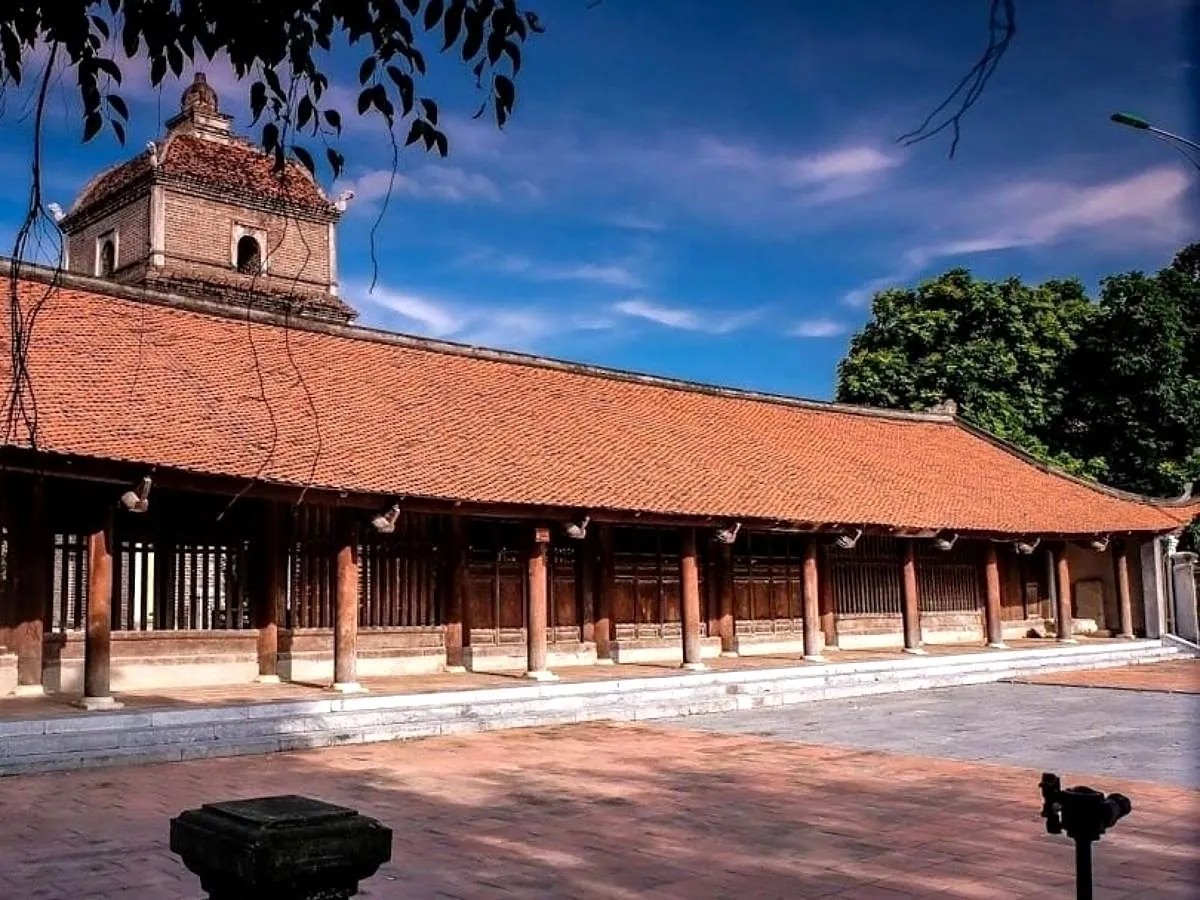
North: early state Buddhism and urban religion
- Study Hanoi through pagodas, historical sites, and the political landscape of the capital.
- Use Ninh Binh to connect sacred geography, older capitals, and religious landscape.
- Compare monumental and everyday forms of Buddhist presence.
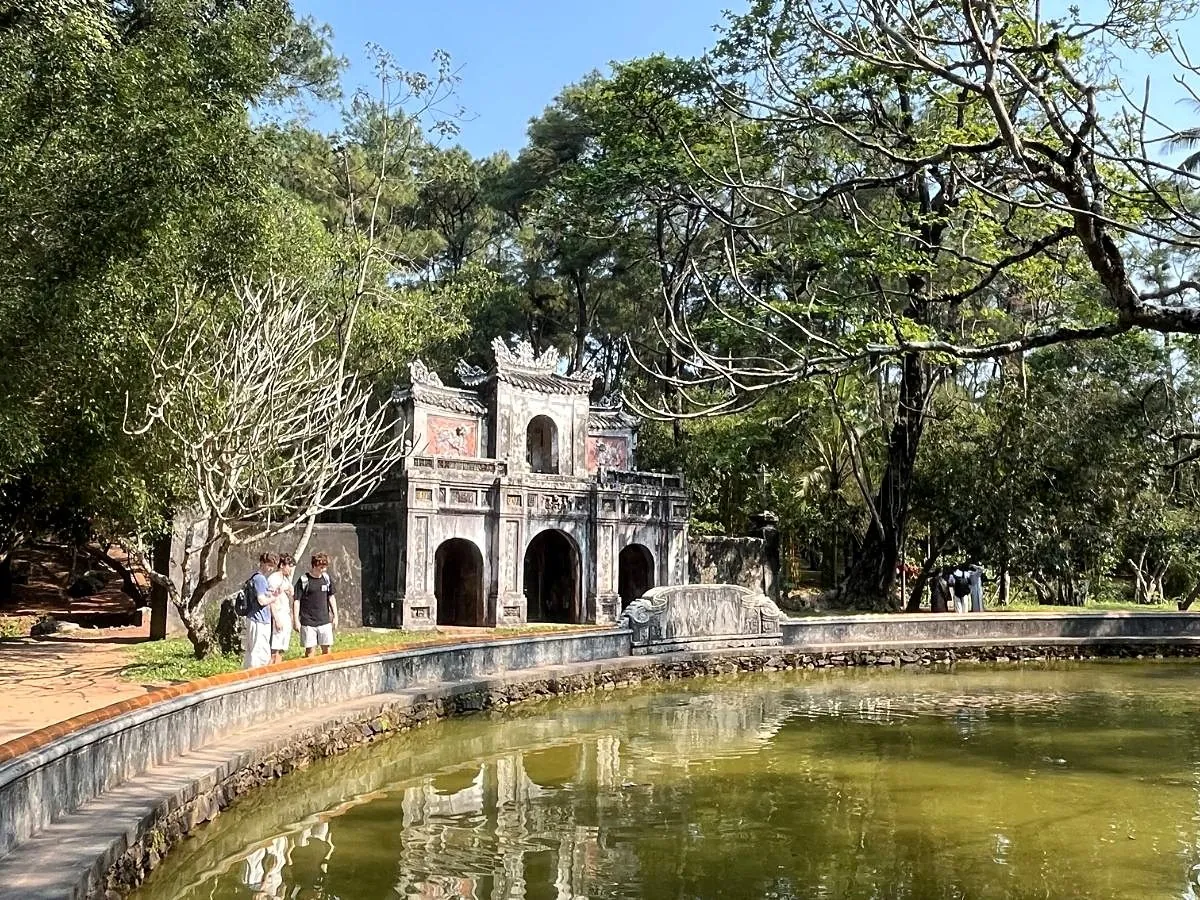
Center: imperial memory, ritual continuity, and lived forms
- Read Hue through the relationship between court culture, ritual life, and Buddhist practice.
- See how monasteries and pagodas sit within longer historical patterns of authority and continuity.
- Observe how central Vietnam holds slower, more visibly inherited forms of religious life.
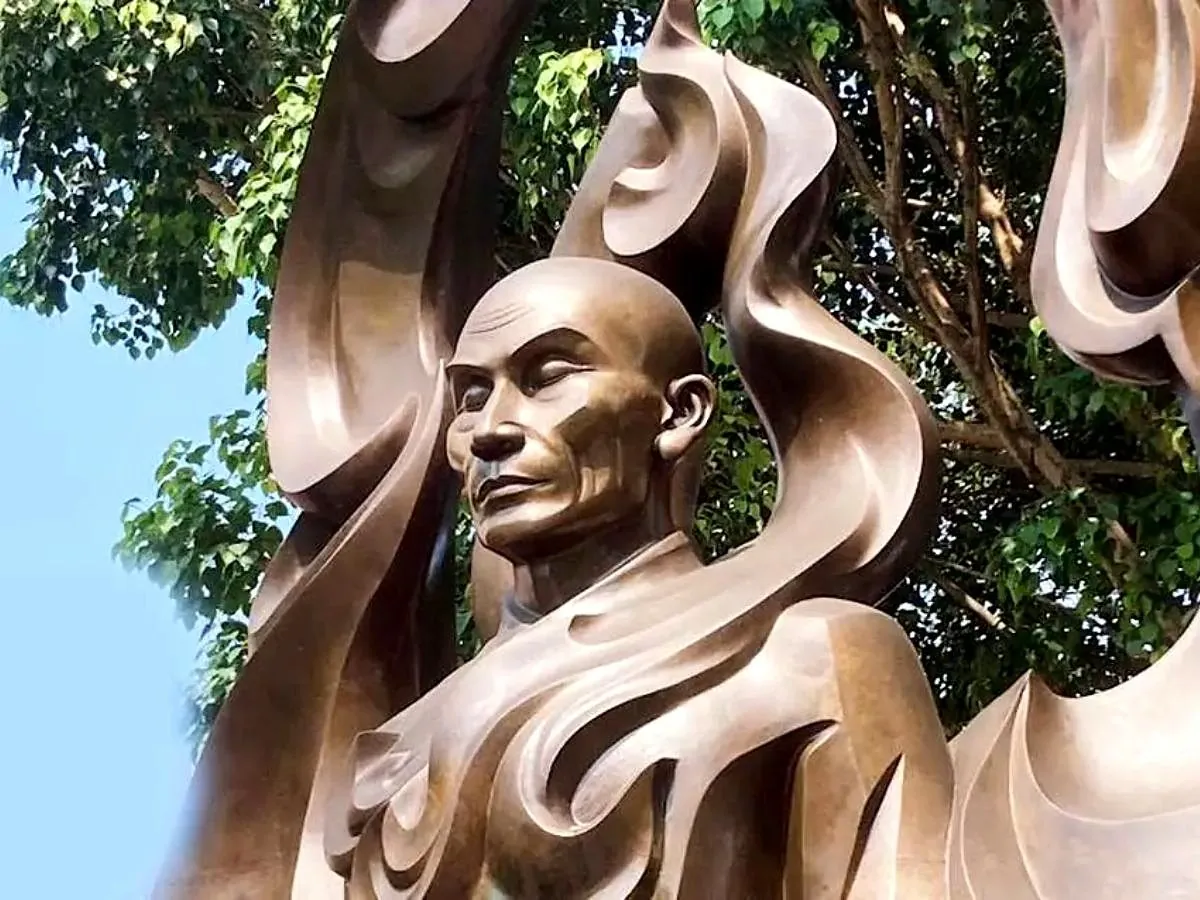
South: Buddhism, politics, and adaptation in modern life
- Use Ho Chi Minh City to examine the intersection of Buddhism, protest, memory, and urban transformation.
- Visit sites that connect religion with the tensions of the modern Vietnamese state.
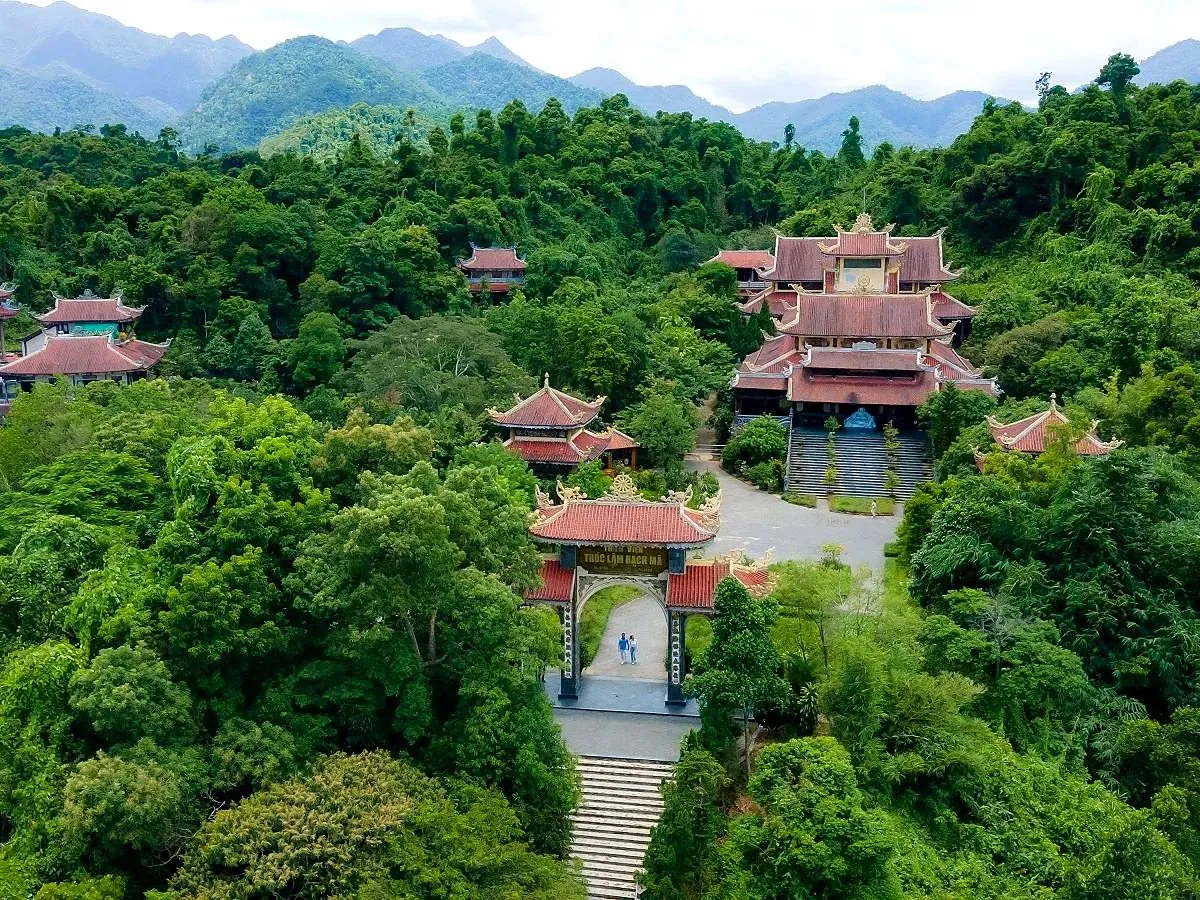
- Conclude with closer observation of monastic routine and contemporary practice.
How the experience is structured
North
Hanoi and Ninh Binh establish early political, sacred, and geographic foundations.
Center
Hue and nearby religious settings reveal ritual continuity, imperial history, and inherited forms of practice.
South
Ho Chi Minh City shifts the lens toward Buddhism in modern politics, memory, and urban adaptation.
Practice
A quieter monastic or pagoda-based segment grounds the trip in lived routine rather than interpretation alone.
From state formation to lived practice now
Historical foundations
Northern sites establish Buddhism within early political centers, landscape, and urban history.
Continuity and change
Central Vietnam reveals how Buddhist practice continues through inherited forms, ritual spaces, and slower rhythms of life.
Modern tension and adaptation
Southern Vietnam brings Buddhism into relation with modern politics, protest, urban life, and contemporary practice.
Request a program outline
We can adapt this route to your group’s interests, level of historical focus, and preferred balance between observation, discussion, and quieter practice.