
Scivi designs and operates Vietnam programs for middle and high schools, school networks and education partners. Programs range from compact four-day city routes to six-day city-and-village formats and longer 8–14+ day field programs.
The trip remains enjoyable and practical first. Scivi then adds a clear learning spine, simple field tasks, local participation where a meaningful role exists, and curriculum connections the school can use without turning the whole journey into a travelling classroom.
Short enough for a regional school calendar, clear enough to evaluate quickly.
These are starting structures, not fixed packages. Each keeps transfers controlled and gives students a recognisable trip experience plus one useful field-learning direction.
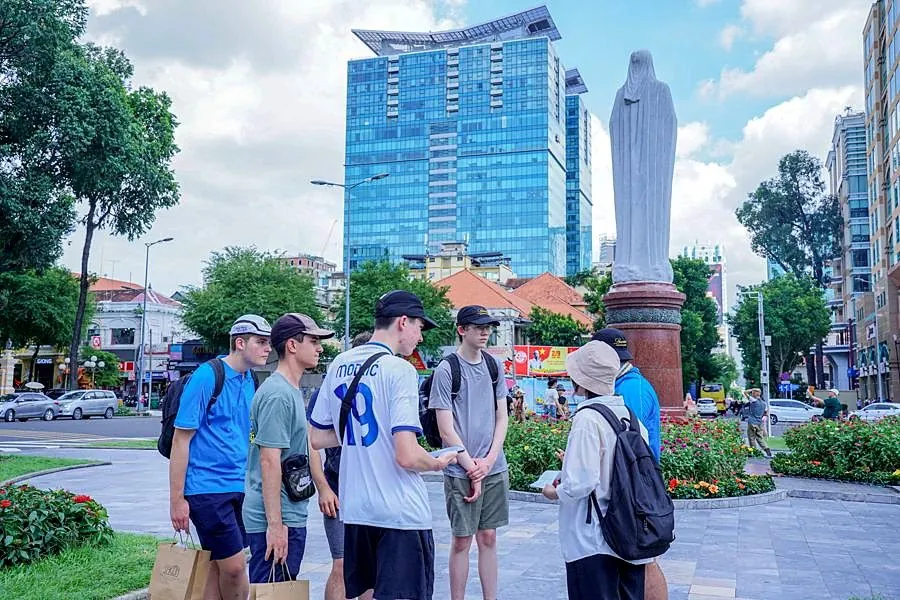
Ho Chi Minh City: two program pathways
A compact city-based program with one clear focus: war and recovery, or food access and urban care.
View sample structure →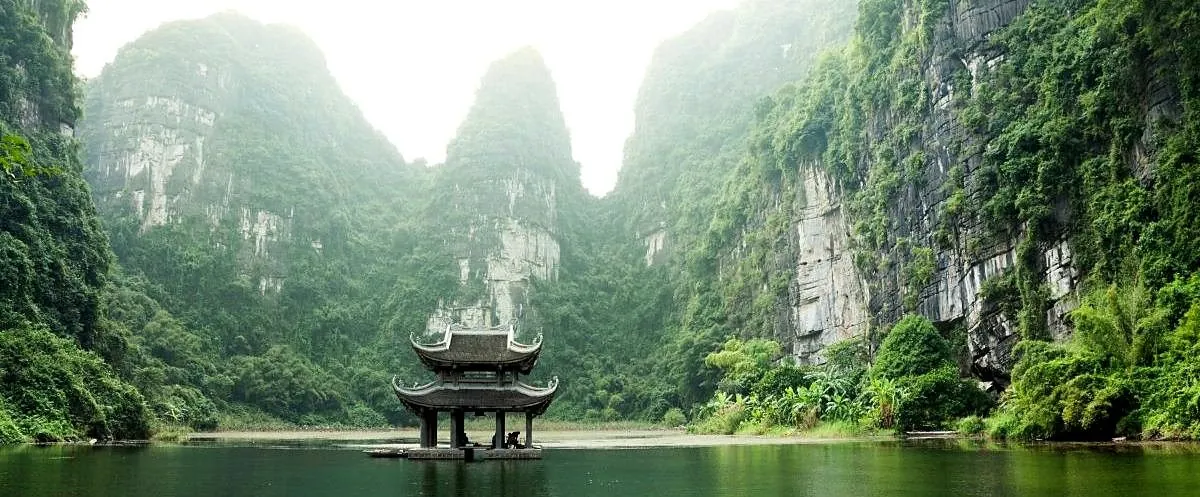
Hanoi & Ninh Binh
One hotel base, one full landscape day and a compact introduction to history, street life and tourism change.
View sample structure →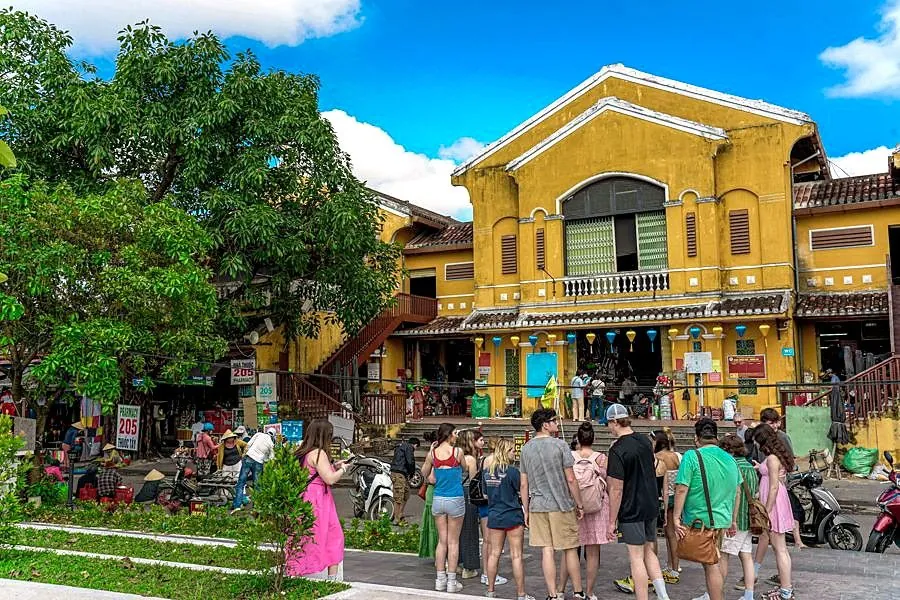
Da Nang, Hoi An & Hue
A short Central Vietnam program combining heritage, active cultural experiences and a community-service day in Triêm Tây.
View sample structure →Keep the gateway experience, then stay rather than visit.
The six-day formats add two nights in a village or community setting. Students share simple routines, take part in practical activities and compare city life with a rural or community context.
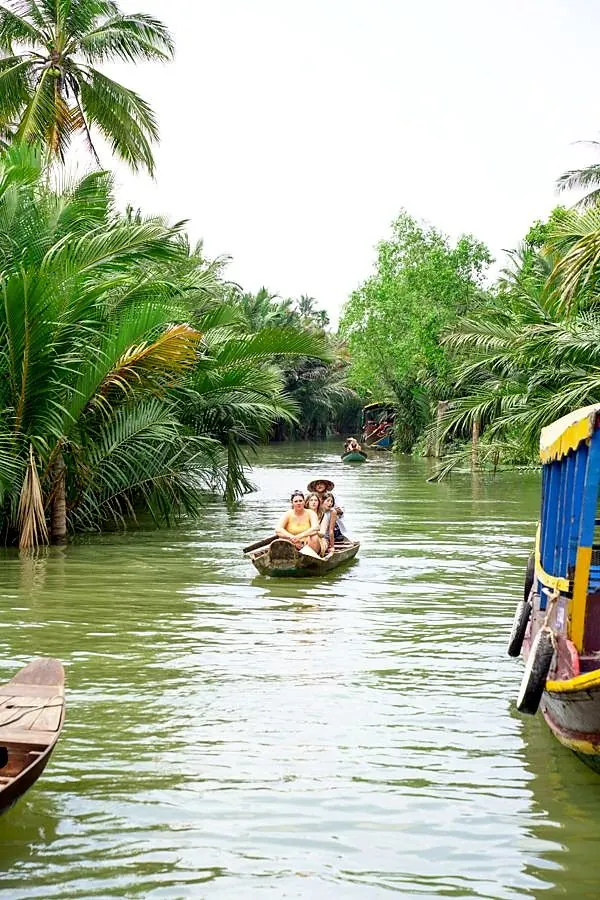
Ho Chi Minh City & Mekong village stay
Three city days and two nights in a Mekong community, connecting urban change with food, water, farming and rural livelihoods.
View sample structure →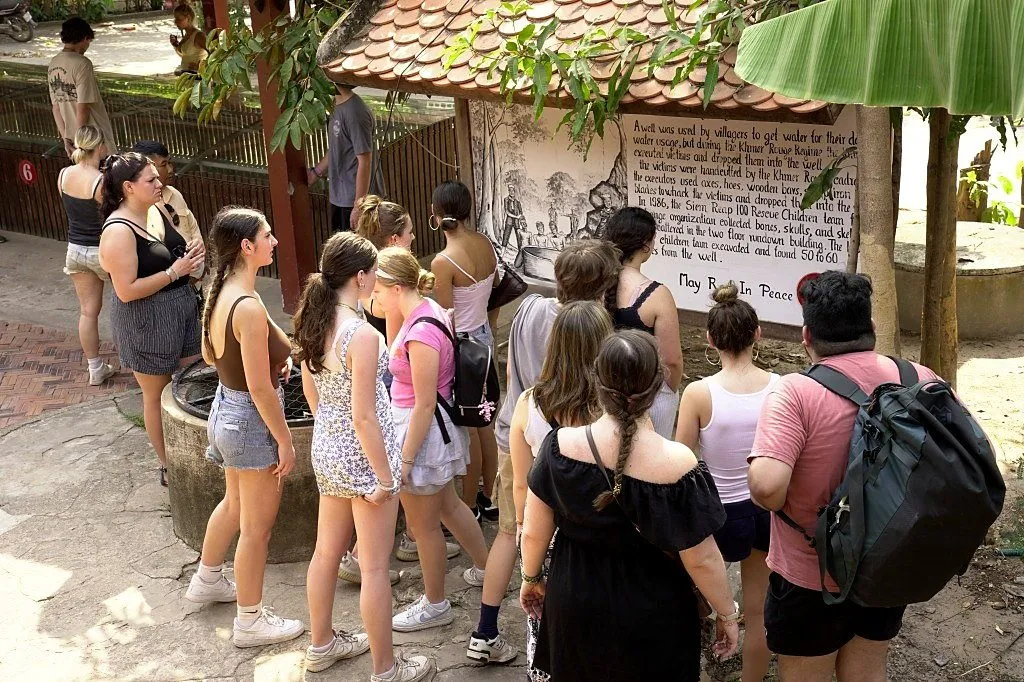
Hanoi & Da Bac village stay
Hanoi history and city life followed by two nights with a Dao Tien community in Da Bac, Hoa Binh.
View sample structure →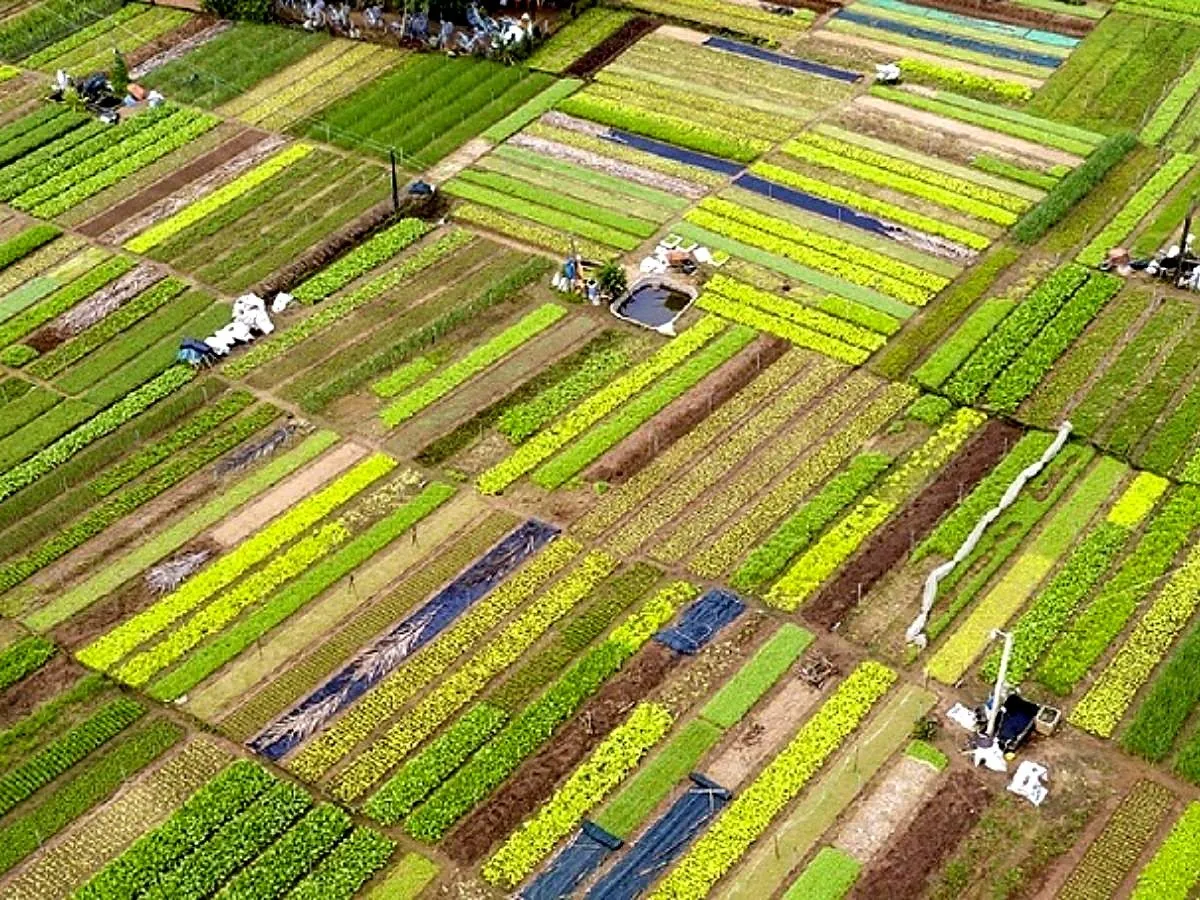
Central Vietnam heritage & village stay
Hoi An and Hue with two nights in a community setting focused on practical sustainability, local life and participation.
View sample structure →Shared rooms, individual mattresses and simple facilities may apply. Host capacity, gender allocation, weather, physical demand and community activities are confirmed for each group.
A program of eight days or longer gives the route room to deepen.
Longer programs remain part of Scivi’s core school offer. The extra time can support regional comparison, field research, stronger curriculum integration or repeated community engagement without turning the itinerary into a race across Vietnam.
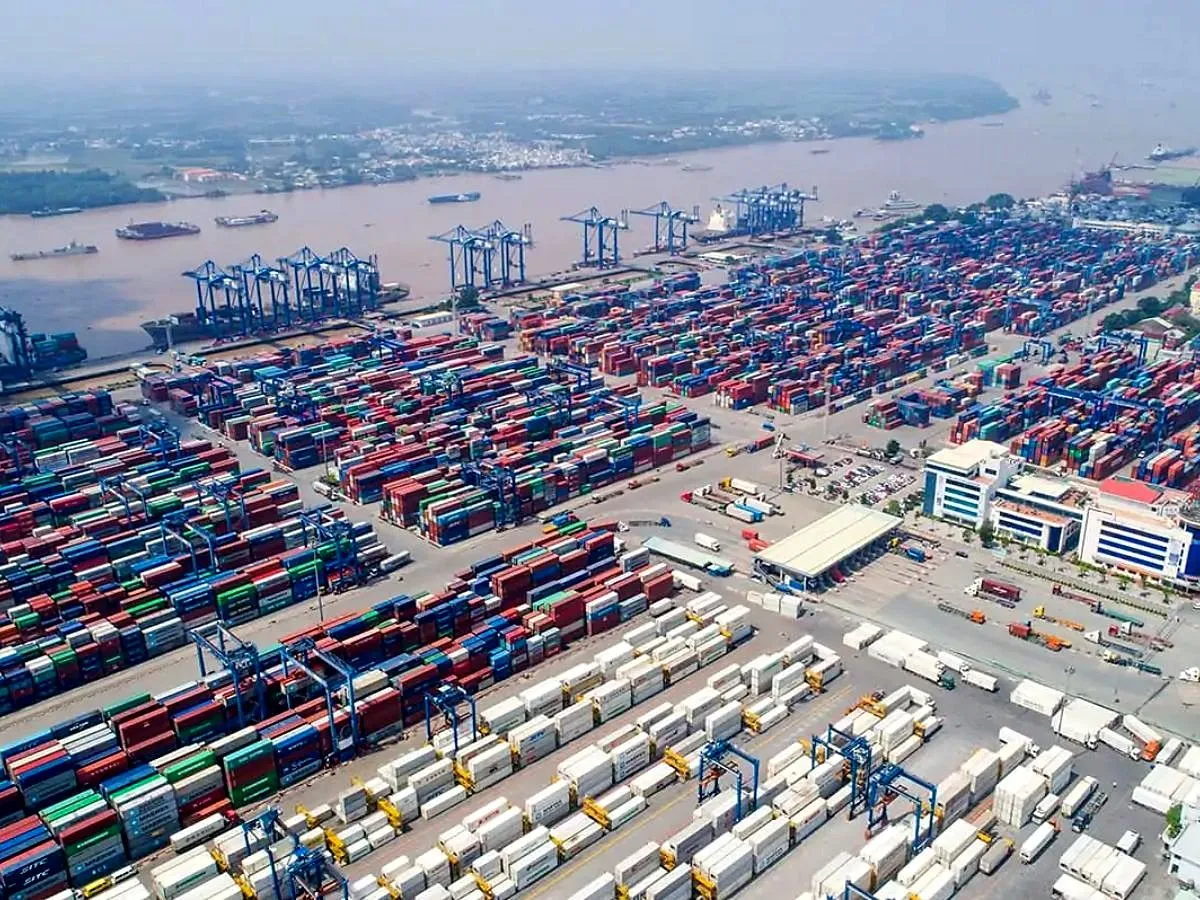
Global Food Supply Chain in Vietnam
Food systems, agriculture, trade and rural–urban connections.
View program →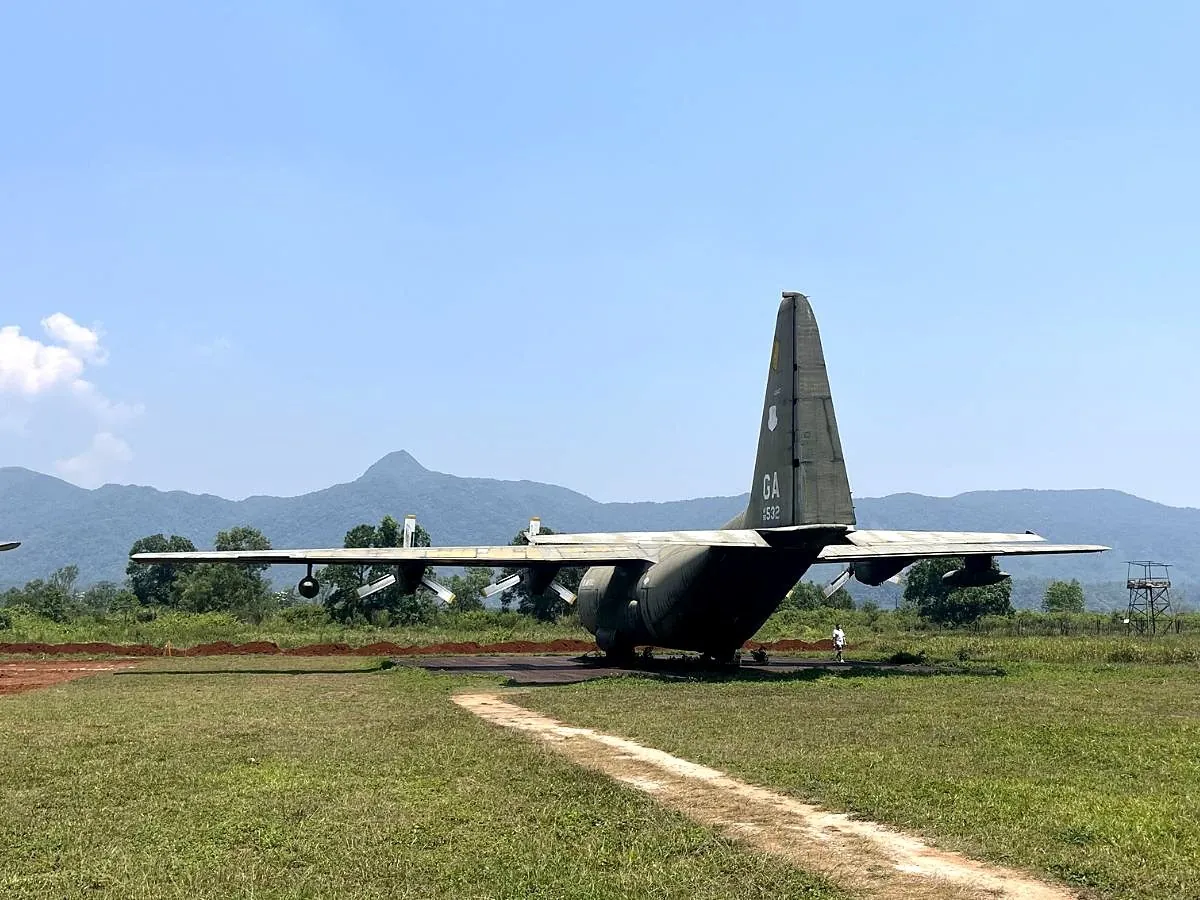
Vietnam: History and Global Politics
History, politics, culture and place-based learning.
View program →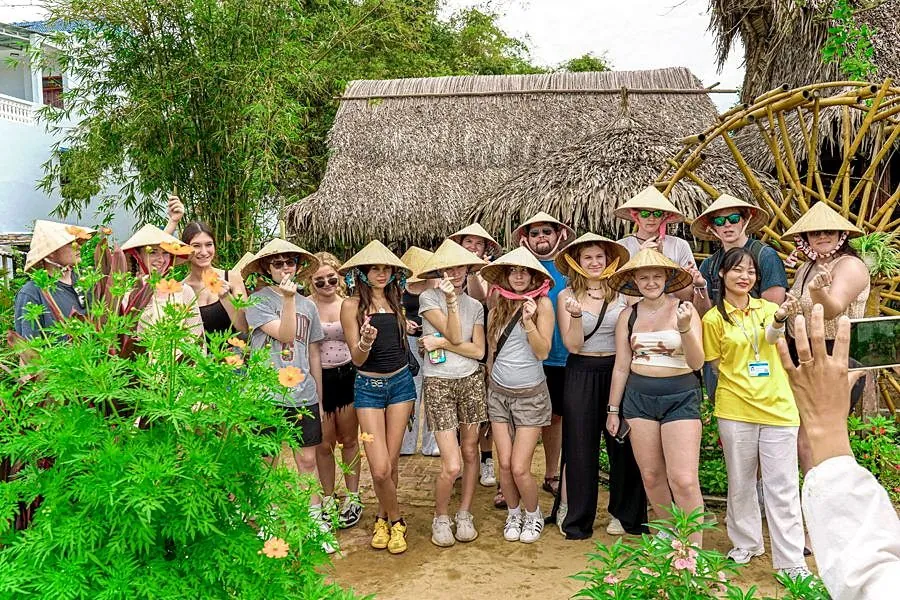
Vietnam Through Its Regional Ways of Life
Regional life, culture, history, foodways and local environments.
View program →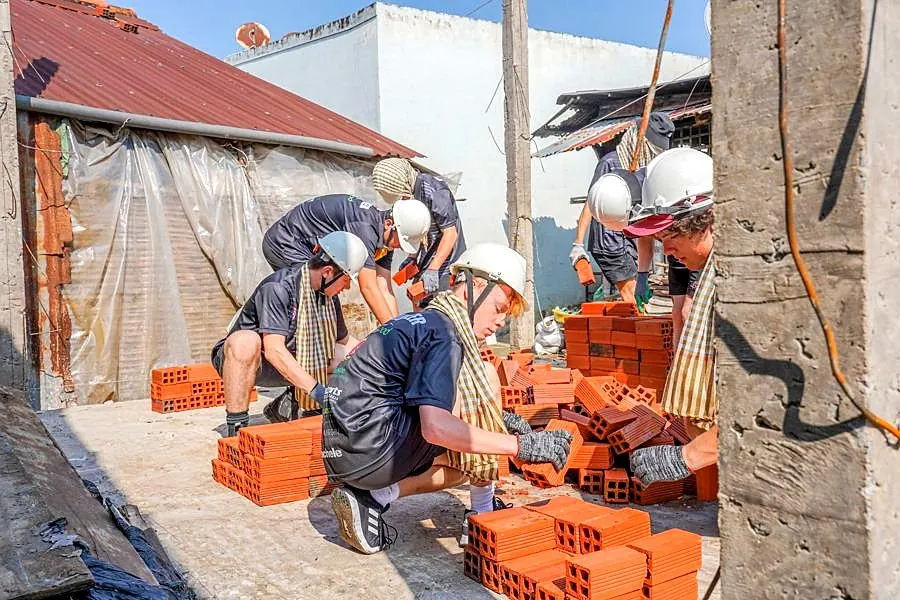
Mekong Delta Community Engagement
Responsibility, service, local relationships and reflection.
View program →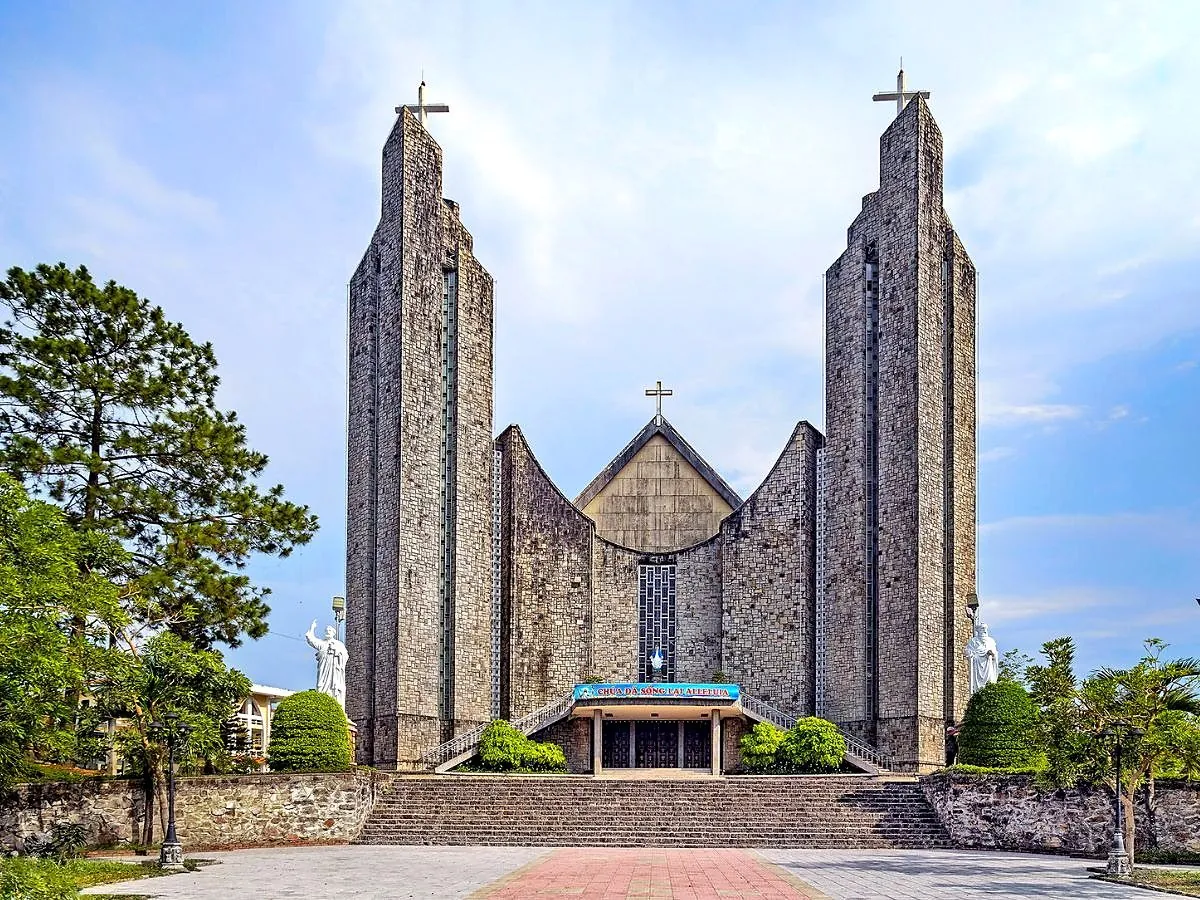
Vietnam Catholic Journey
Faith, history, pilgrimage and lived Catholic communities.
View program →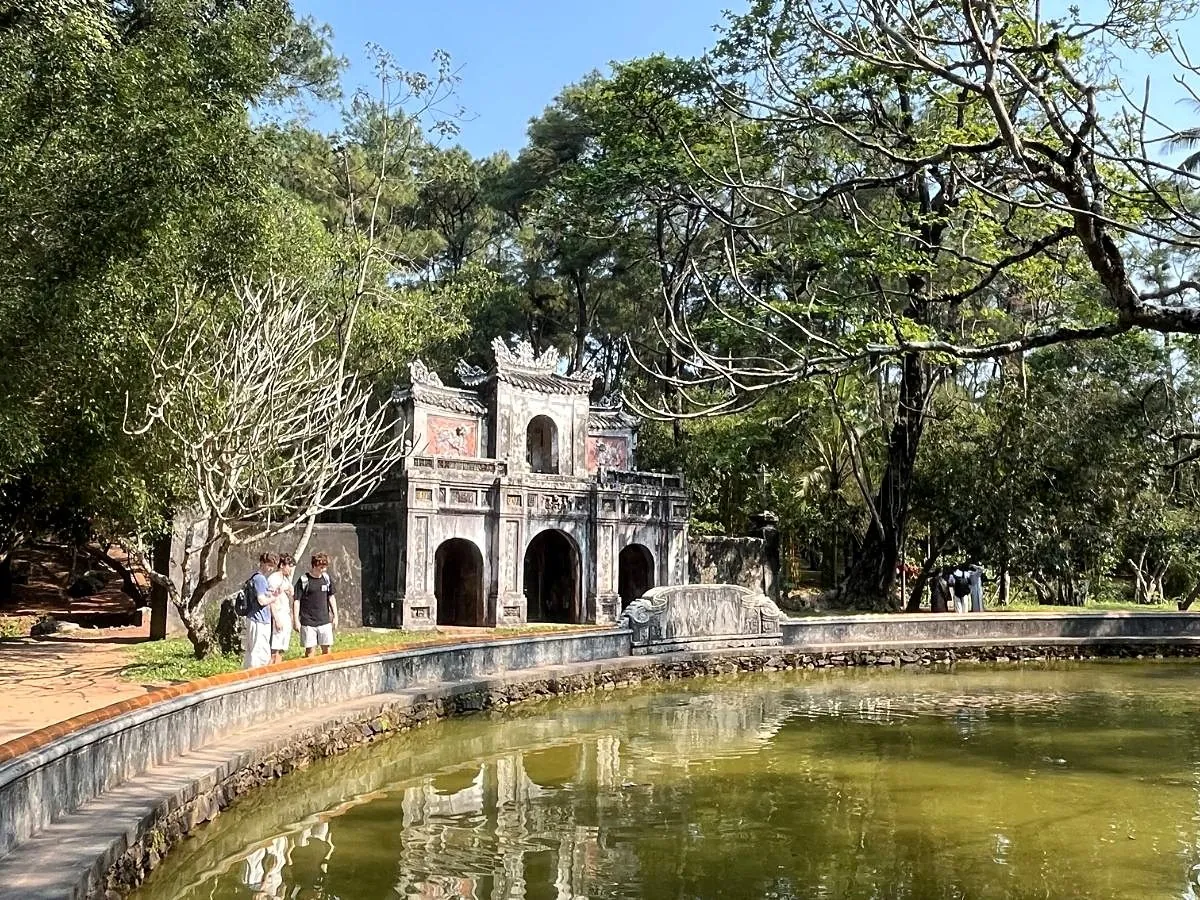
Buddhism in Vietnam
History, practice, social change and lived religion.
View program →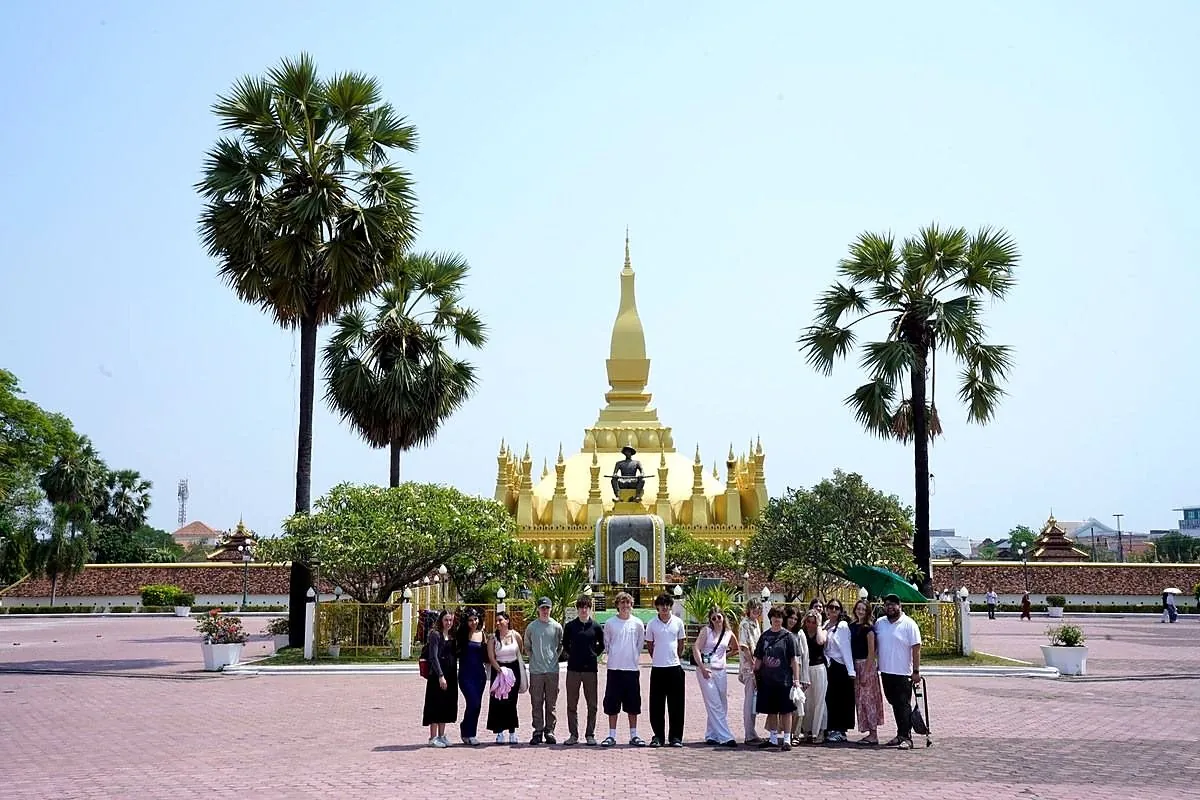
Thailand and Laos Global Immersion
Religion, trade, landscape and regional comparison.
View program →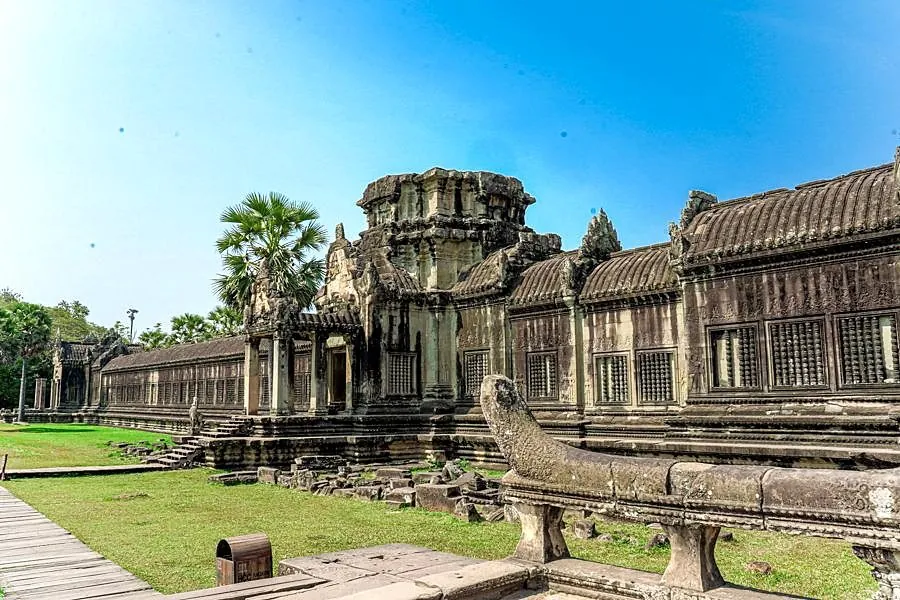
Historical Southeast Asia: Hanoi to Angkor
Rivers, trade networks, political power and regional history.
View program →Learning purpose, school requirements and ground delivery stay connected.
Learning-led design
Routes, field activities and daily rhythm are shaped around the school’s goals and the age of the students.
School-ready operations
Transport, hotels, meals, movement, activity limits and backup plans are reviewed for a student group.
Teacher and student support
Roles, briefings and field facilitation are planned so teachers can focus on students rather than local logistics.
The trip stays easy to understand. Field-learning connections sit one click further.
Selected programs can support Geography, History, CAS, environmental learning, business or Global Perspectives where the fit is real. Scivi provides the setting and field structure; the school decides how it connects to curriculum or assessment.
Questions a school needs answered before it can approve the trip.
Student readiness
Physical demands, independence, behavioural expectations and emotional readiness are matched to the cohort.
Supervision
Teacher, Scivi and local-partner roles are defined instead of left to assumption.
Daily rhythm
Travel time, heat, meals, rest and transitions are balanced with the learning ambition.
Parent-facing clarity
The school receives concrete information about accommodation, activities, transport and support.
From an early idea to a program the school can approve.
- 1
Fit review
Group age, goals, dates, duration and approval path.
- 2
Feasibility
Route, access, pacing, risk and likely cost drivers.
- 3
Program proposal
Field structure, assumptions, inclusions and responsibilities.
- 4
Preparation and delivery
School information, participant preparation and live operations.
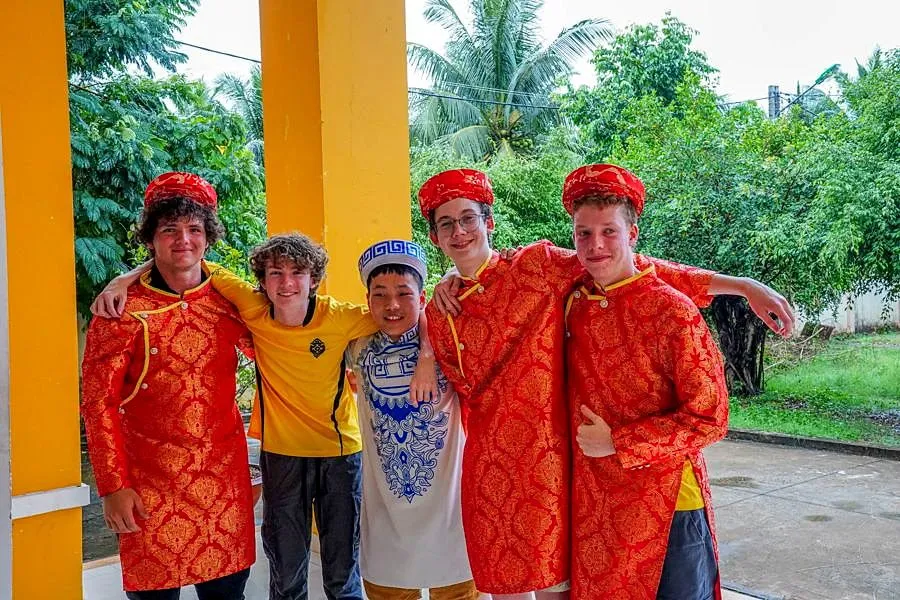
A multi-day Mekong project built around repeated participation
Students returned to the same site and worked within a locally led project, with the practical demands of heat, fatigue, coordination and gradual progress left visible.
Read the case study →Considering Vietnam for a future school program?
Share the student age, group size, learning focus, approximate dates and any school requirements already known. We can first assess fit and feasibility.