What this program is built around
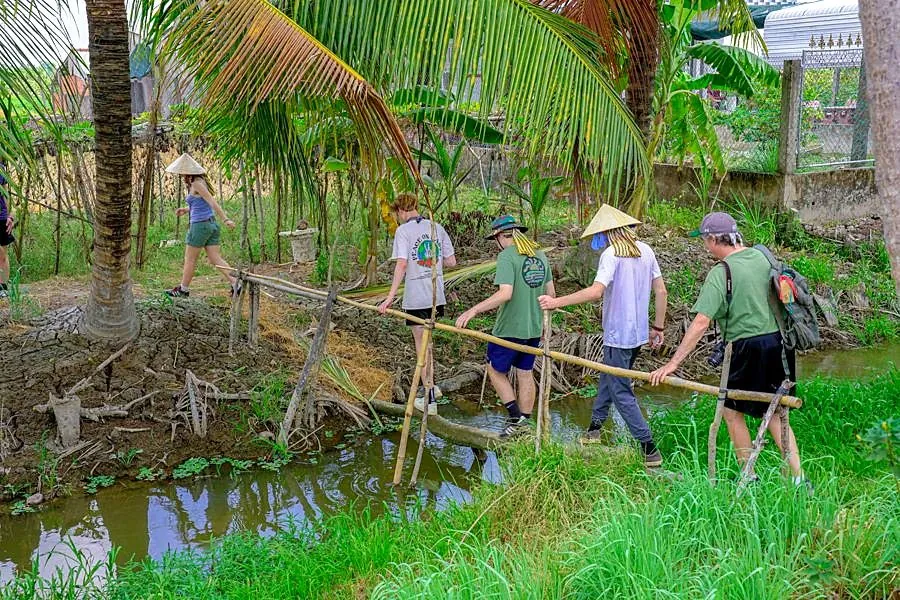
This program is built around Vietnam’s food system as something lived, local, and connected to larger economic and global processes. Rather than studying supply chains only through abstract diagrams, participants move through rice fields, gardens, markets, river communities, urban food spaces, and institutional visits that show how production, trade, labor, and culture intersect.
The route is intentionally broad. It starts in Tra Vinh, where students see agriculture, aquaculture, bonsai, local markets, and island life at close range. It then moves through Ho Chi Minh City and Hanoi, where food, history, policy, and international institutions widen the frame. Ha Long Bay adds another layer by bringing in environment, tourism, and questions of place-based economies.
The result is a program that uses food supply chains not as a narrow business topic, but as an entry point into livelihoods, sustainability, infrastructure, cultural practice, and globalization in the Vietnamese context.
What participants actually do
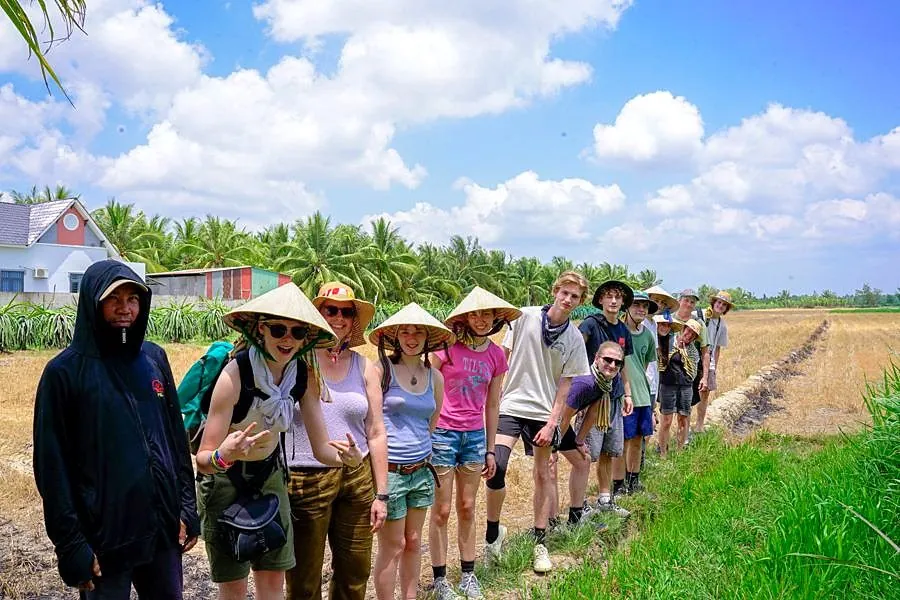
Farm-level food systems in Tra Vinh
- Visit paddy fields and understand seasonal rice and crab farming patterns.
- See rice milling and polishing processes up close.
- Join gardening, cooking, and local market experiences that connect production to daily consumption.
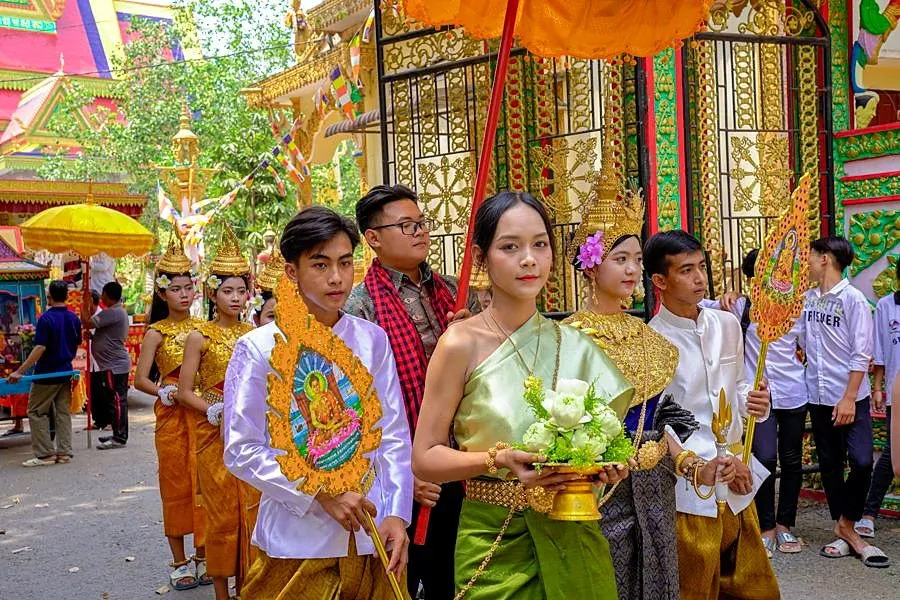
Culture, landscape, and local livelihoods
- Explore island communities, river life, bonsai gardening, and Khmer cultural sites.
- See how food production sits within broader cultural and religious environments.
- Experience Chol Chnam Thmay and local forms of celebration in context.
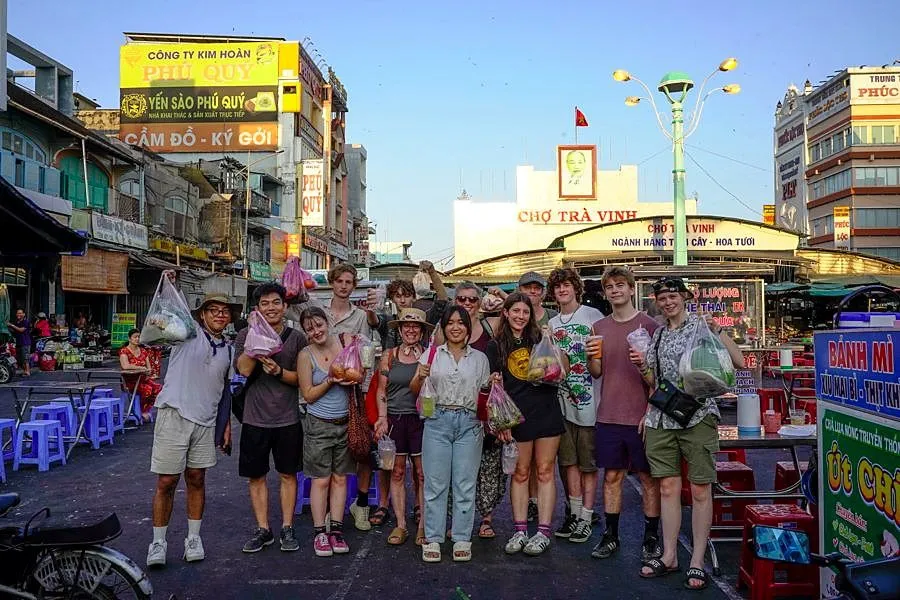
Urban and institutional perspectives
- Move from farm and rural settings into Ho Chi Minh City and Hanoi.
- Engage with Peace Corps, State Department, and Rikolto-related visits where available.
- Connect local food realities to policy, trade, international cooperation, and urban life.
What is typically included
Rural immersion
Multi-day stay at Villa Basi farmstay in Tra Vinh, allowing continuity rather than brief site visits.
Multi-city route
Overland travel, train journey from Saigon to Hanoi, and Ha Long Bay cruise within one longer academic trip.
Meals and accommodation
Farmstay, city hotels, overnight train, and Ha Long cruise with meals integrated across the route.
Local support
Tour manager, local transport, activity coordination, and support across both rural and urban segments.
Program flow
Tra Vinh
Farmstay life, paddy fields, rice mill, island excursion, bonsai, Khmer culture, local market, and cooking activity.
Ho Chi Minh City
Historic center, Buddhist temple, War Remnants Museum, secret weapon storage, and district-based walking food tour.
Hanoi & Ha Long Bay
Huong Temple, institutional visits in Hanoi, and Ha Long Bay cruise experience linking environment and tourism.
Next step
Considering a food systems program in Vietnam?
Most groups start with a learning focus, student profile, and rough travel window rather than a finished itinerary. We can adapt this route around your academic priorities while keeping the food systems structure grounded in real field settings.