
Scivi works with faculty leads, education-abroad offices and program providers. The institution retains academic ownership; Scivi tests local feasibility, develops the in-country field structure, coordinates access and operates the program on the ground.
Support can range from local delivery of an existing itinerary to the full development of a Vietnam component from an institutional brief.
Choose the level of support that fits the program.
Local delivery
For programs that already have a course and a clear in-country concept.
- Feasibility and local confirmation
- Ground operations and supplier coordination
- Program-specific risk planning
Co-designed field program
For faculty with learning goals who need help shaping the route, field activities and local access.
- Course question translated into field structure
- Faculty and Scivi roles made explicit
- Proposal built around realistic local work
Full program development in Vietnam
For a new Vietnam program or provider relationship beginning from an institutional brief.
- Complete in-country program structure
- Local sessions, modules and preparation materials
- Institution retains credit and academic authority
Academic authority stays with the institution. Local delivery stays with Scivi.
Choose the Vietnamese context that serves the course.
These are shared field areas, not pre-written university syllabi. Faculty retain academic ownership; Scivi helps identify relevant places, people and operating conditions.
Reference structures for courses that need sustained time in the field.
These examples range from focused field-research modules to multi-region and multi-country programs. Each remains adaptable to the faculty lead, course design and institutional requirements.
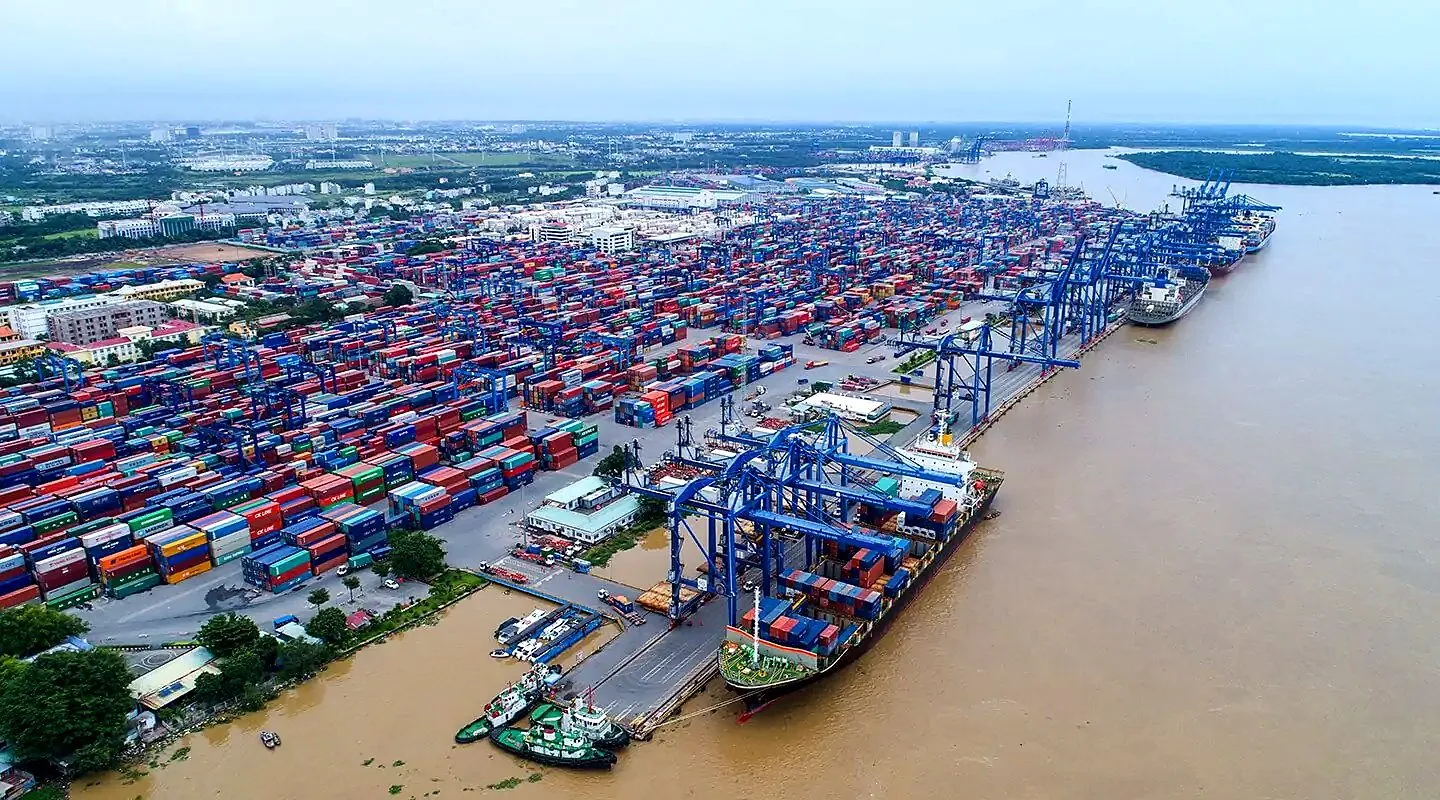
Production, Logistics and Supply Chains
Manufacturing, logistics, export systems and economic development.
View program →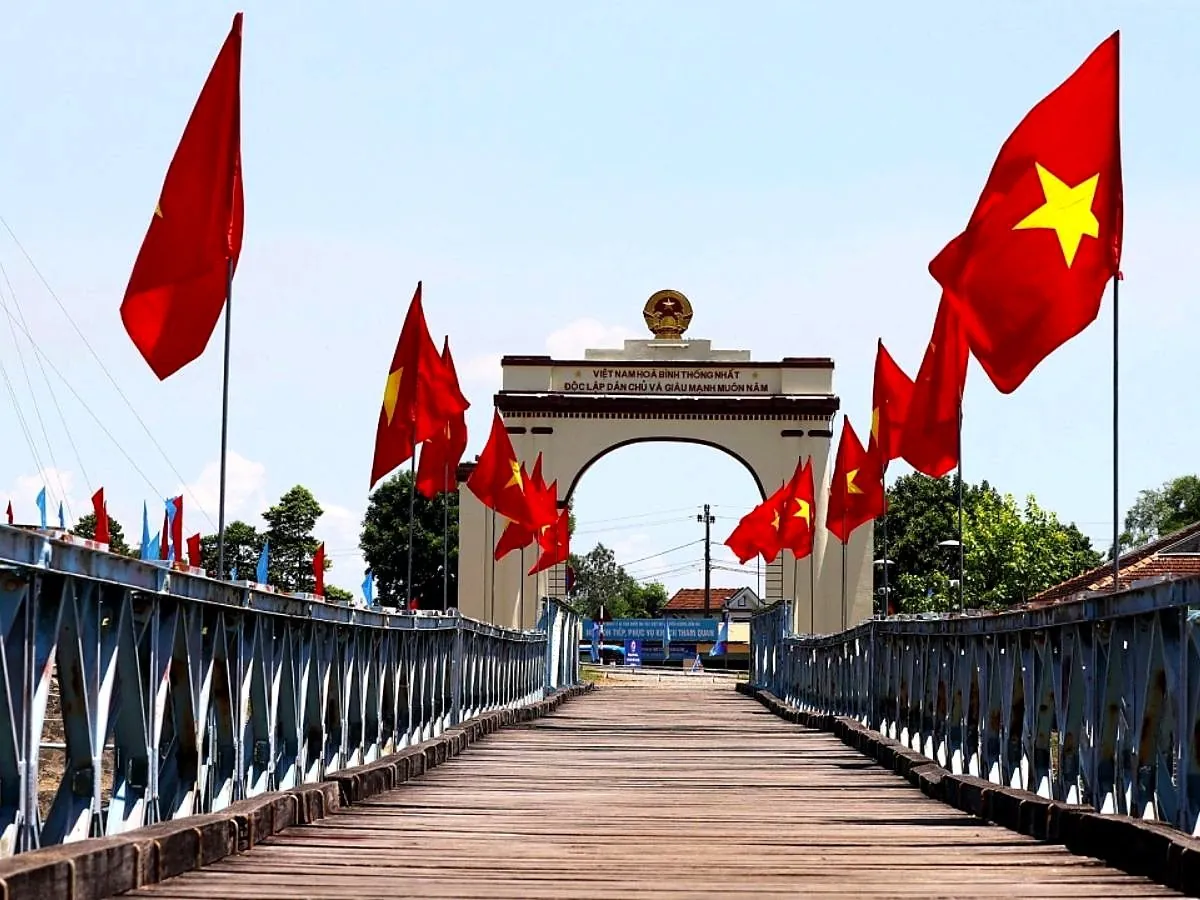
History, Memory and the Contemporary State
Historical narrative, political memory and contemporary society.
View program →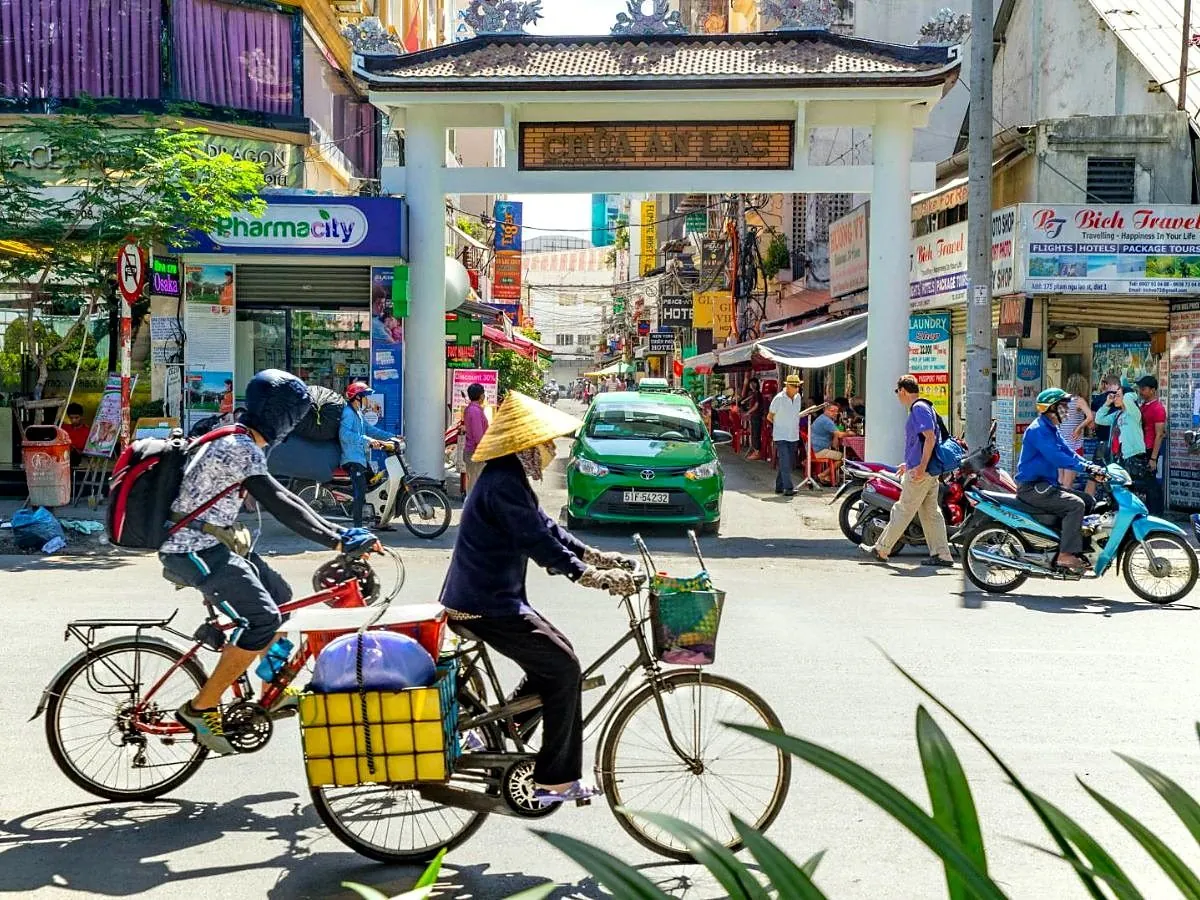
Regional Life in an Emerging Context
Regional variation, social change and everyday systems.
View program →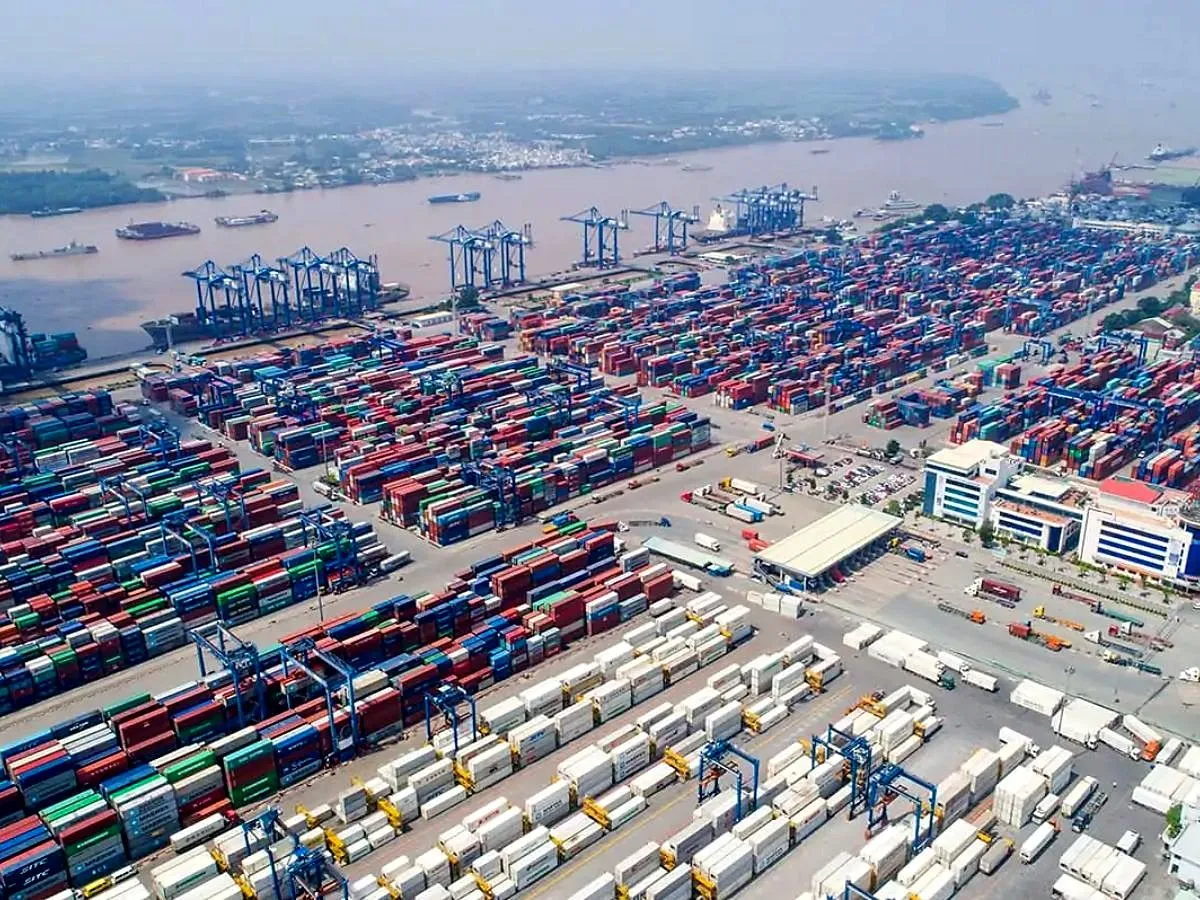
Entrepreneurship and Urban Systems in Southeast Asia
Entrepreneurship, emerging markets and regional transformation.
View program →
Archaeology and Early State Formation
Material culture, political development and historical interpretation.
View program →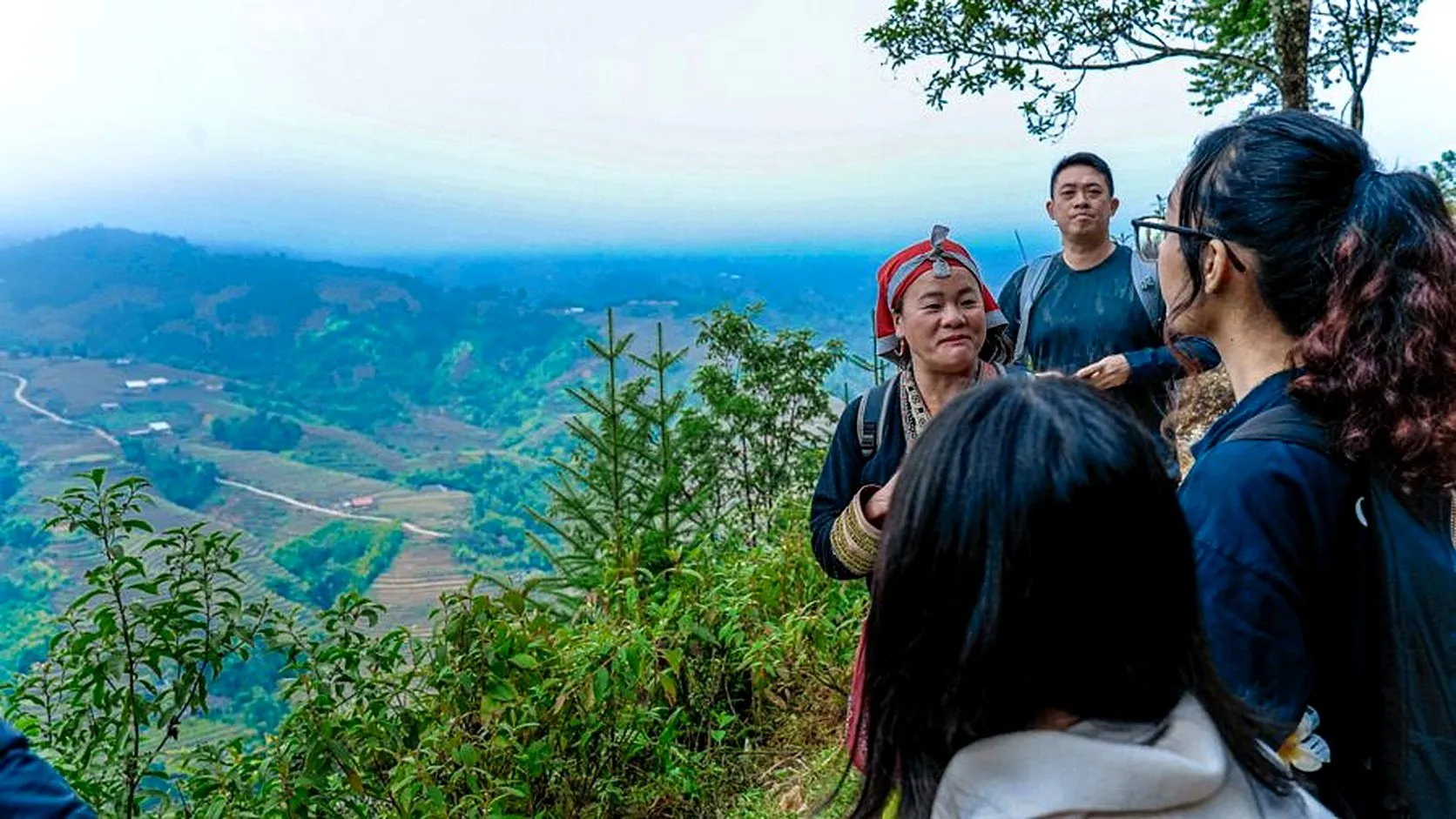
Sapa: Field Research in Practice
Student-led research, observation and social inquiry.
View program →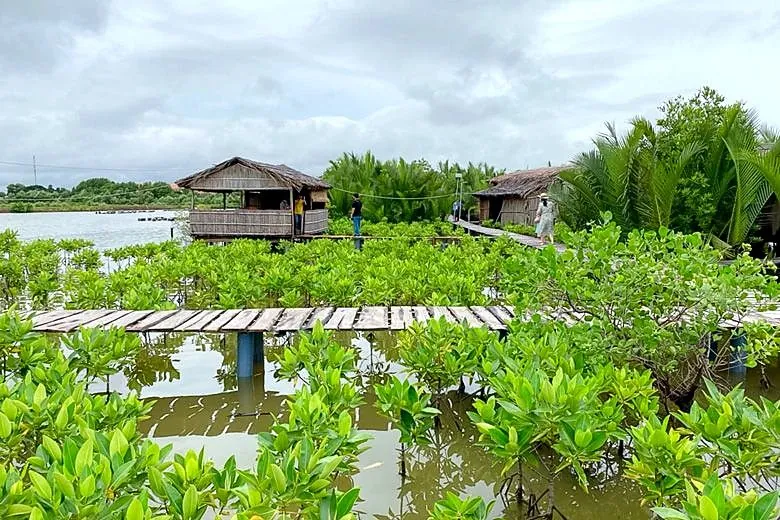
Mekong Delta: Climate Change and Connected Systems
Climate, environment, livelihoods and connected local systems.
View program →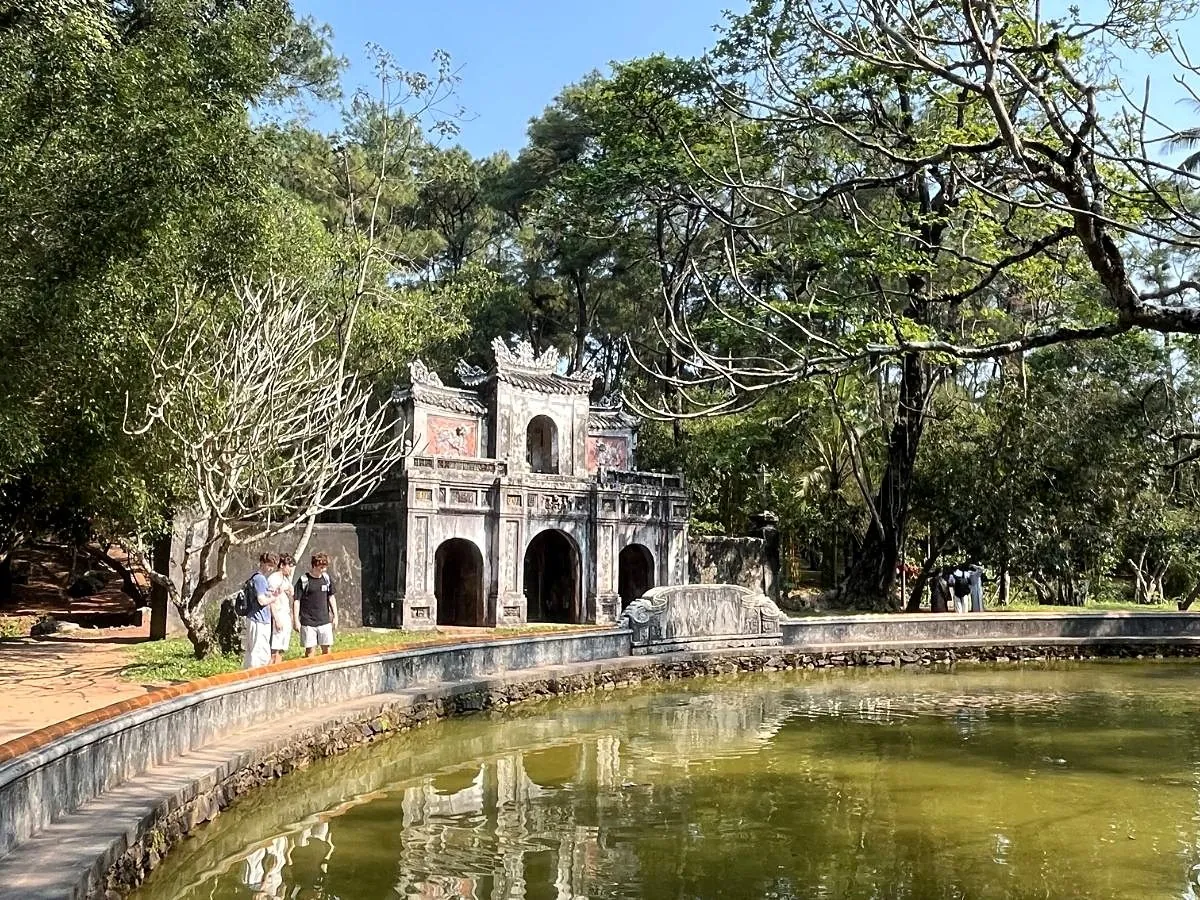
Buddhism in Vietnam: History, Practice and Change
Religion, history, social change and lived practice.
View program →What the institution receives.
Deliverables vary by service level, but the planning work should be concrete enough to use internally.
Start with the course brief and a feasibility review.
- 1
Academic brief
Course question, cohort, format, dates, budget context and approval route.
- 2
Local feasibility
Access, timing, group movement, seasonality, risk and cost drivers.
- 3
Concept and proposal
Program structure, responsibilities, status of local elements and assumptions.
- 4
Due diligence and delivery
Documentation, confirmations, preparation and local operation.
Academic fit is only one part of institutional approval.
Education-abroad teams also need clear roles, realistic access claims, transport and supplier information, emergency arrangements, medical context and a distinction between confirmed and proposed visits.
Confirmed vs. proposed
Visits are labelled according to their actual status.
Faculty workload
Local coordination does not sit on the faculty lead.
Operational fit
Group size, travel, climate and daily intensity are checked early.
Documentation
Qualified partners can request program-specific operations information.
Entry points for different planning needs.
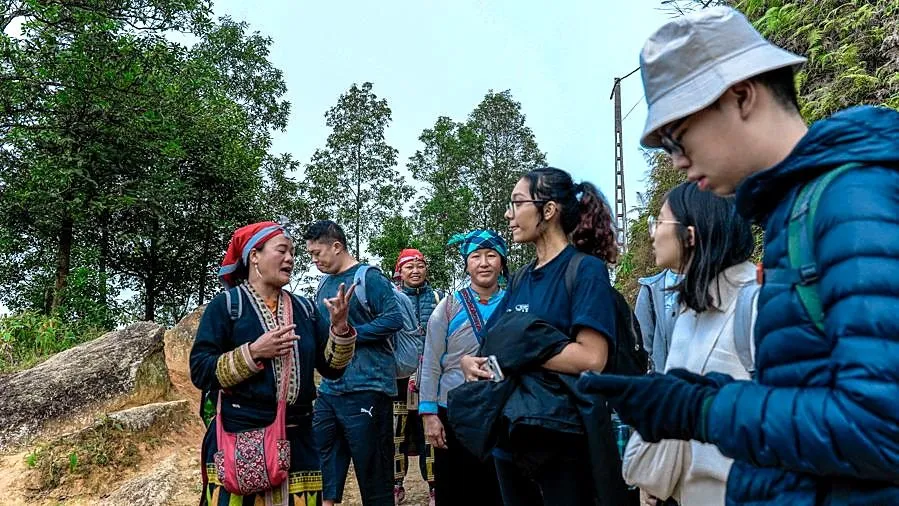
Multiple student research teams, one field operating structure
Prepared teams pursued different social-research questions while sharing transport, access, local coordination and faculty oversight.
Read the case study →Developing a faculty-led or short-term Vietnam program?
Share the course outline, group profile, travel window and planning stage. We can first assess fit and feasibility before a detailed proposal is prepared.