
What this program is built around
This program is designed around Vietnam’s modern history, political memory, and the relationship between place and interpretation. Rather than treating the country as a sequence of famous sites, it uses Hanoi, Hue, Quang Tri, Hoi An, and Ho Chi Minh City as different entry points into how Vietnam has been shaped by war, colonialism, reform, culture, and daily life.
Participants move between historical landmarks, museums, memorials, schools, workshops, and ordinary urban environments. The value of the program comes from that contrast. It allows students to see how official history, lived reality, heritage, and contemporary Vietnam sit alongside each other rather than appearing as separate topics.
The result is a program that is academically relevant, but also grounded in real experience. It gives participants enough structure to understand what they are seeing, without reducing the country to a fixed narrative.
What participants actually do
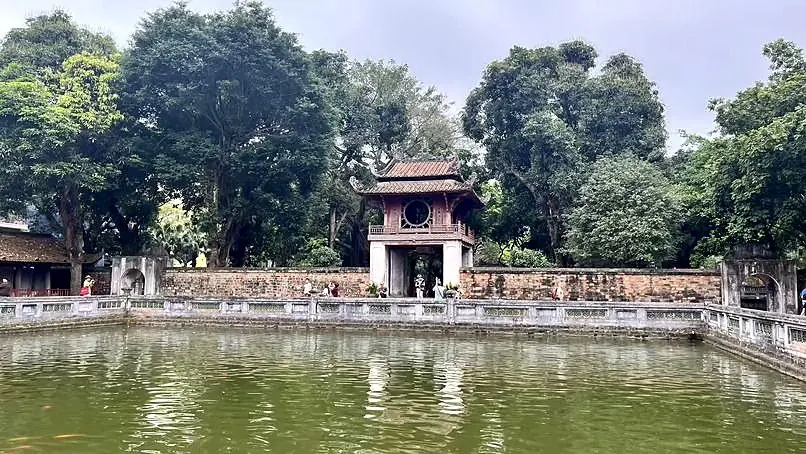
Hanoi as a cultural and political starting point
- Explore Hoan Kiem Lake, Ngoc Son Temple, the Old Quarter, and Temple of Literature.
- Join workshops such as egg coffee and ceramics to connect culture with everyday practice.
- Visit sites like the B-52 memorial lake, Ho Chi Minh Mausoleum, and key museums to frame modern Vietnam early in the trip.
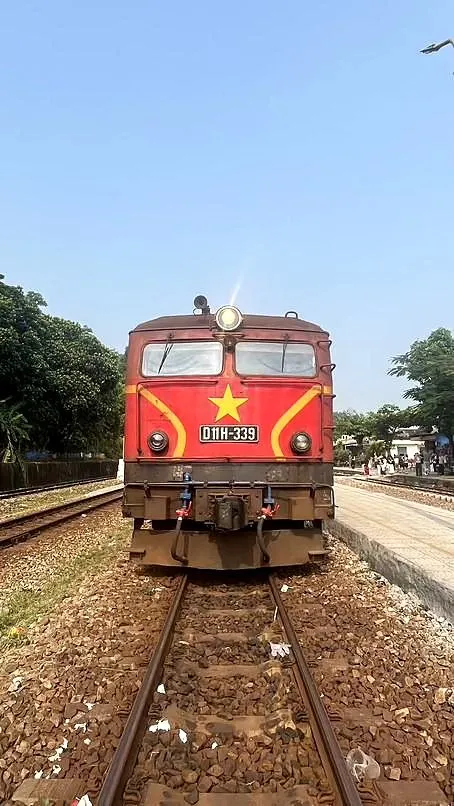
Imperial history, Buddhism, and the war landscape
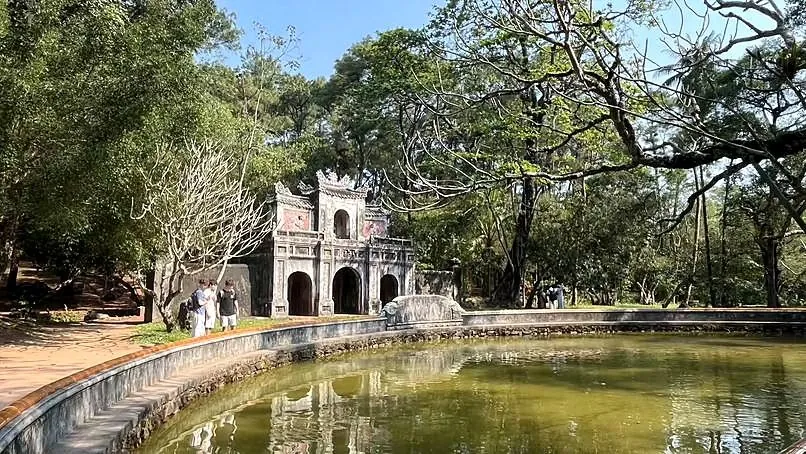
- Study Hue through the Imperial City, Tu Duc’s tomb, Tu Hieu Pagoda, and city exploration.
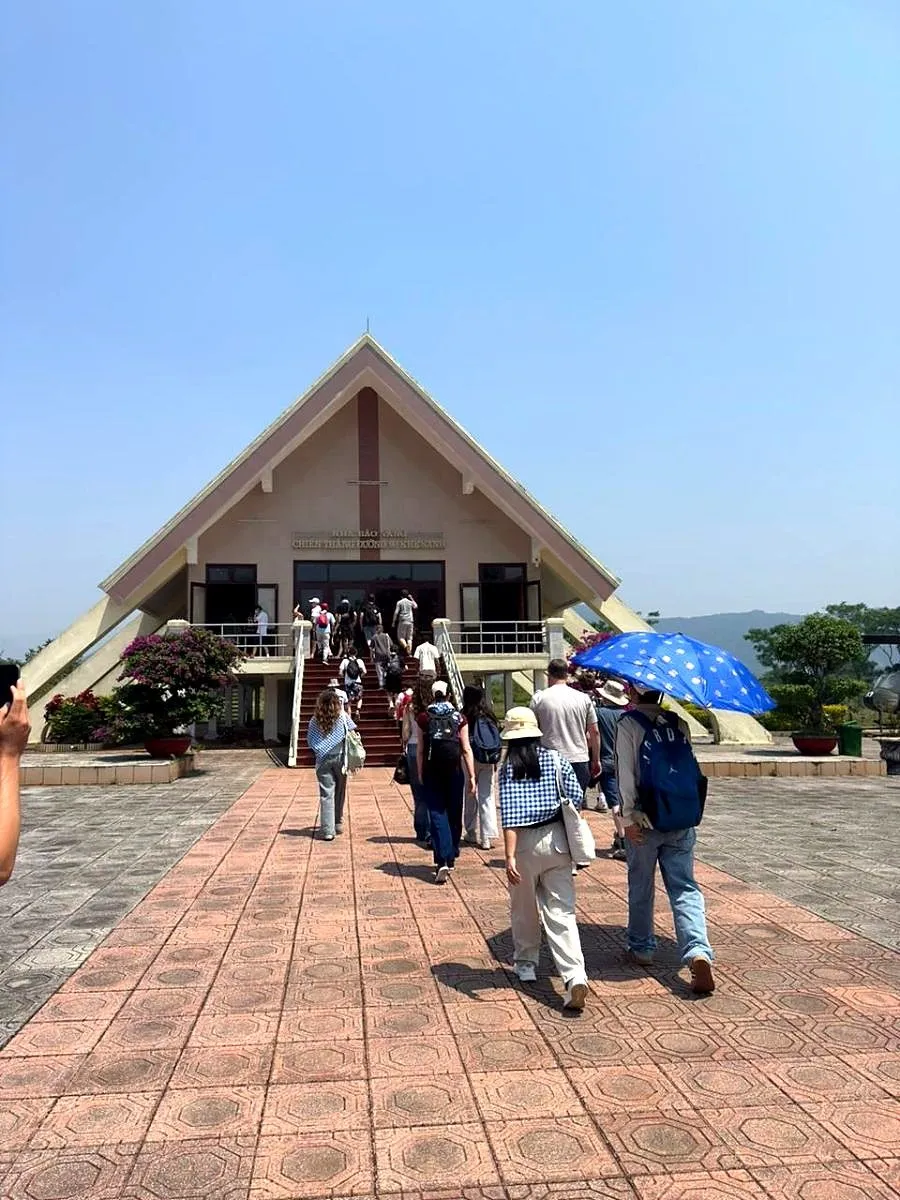
- Travel through the DMZ to Khe Sanh, Hien Luong Bridge, Quang Tri Citadel, and related memorial sites.
- Use central Vietnam to connect imperial memory, religion, division, and reunification.
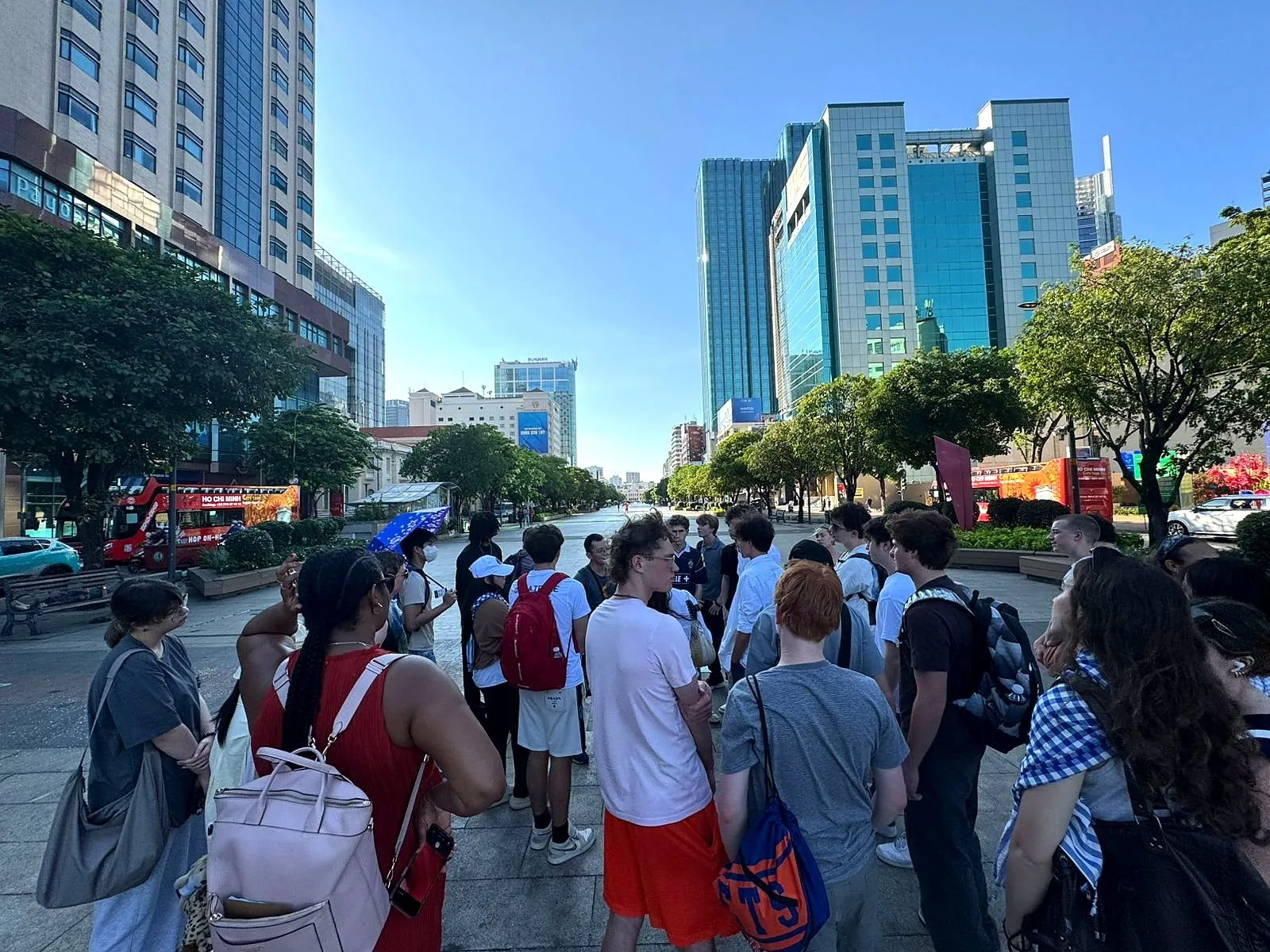
From heritage towns to the southern war narrative
- Travel via the Hue–Da Nang heritage train, visit My Son Sanctuary, and explore Hoi An Old Town.
- In Ho Chi Minh City, study urban modern Vietnam through civic landmarks, Cu Chi, war museums, and Independence Palace.
- See how economic dynamism, historical memory, and postwar identity coexist in the south.
What is typically included
Multi-city movement
Domestic flight, heritage train, and overland movement linking north, central, and south Vietnam.
Academic and cultural balance
Historical sites, museums, school time, workshops, and urban observation within one coherent route.
Accommodation and meals
Hotel stays in Hanoi, Hue, Hoi An, and Ho Chi Minh City, with most breakfasts, lunches, and dinners included.
On-the-ground support
Guide support, local coordination, and a structure that allows leaders to focus on participant learning.
Program flow
Hanoi
Arrival, cultural orientation, Old Quarter, workshops, school day, mausoleum area, ethnology and military history museums.
Hue & Hoi An
Imperial history, incense village, Tu Hieu Pagoda, DMZ day, heritage train, My Son Sanctuary, and Hoi An Old Town.
Ho Chi Minh City
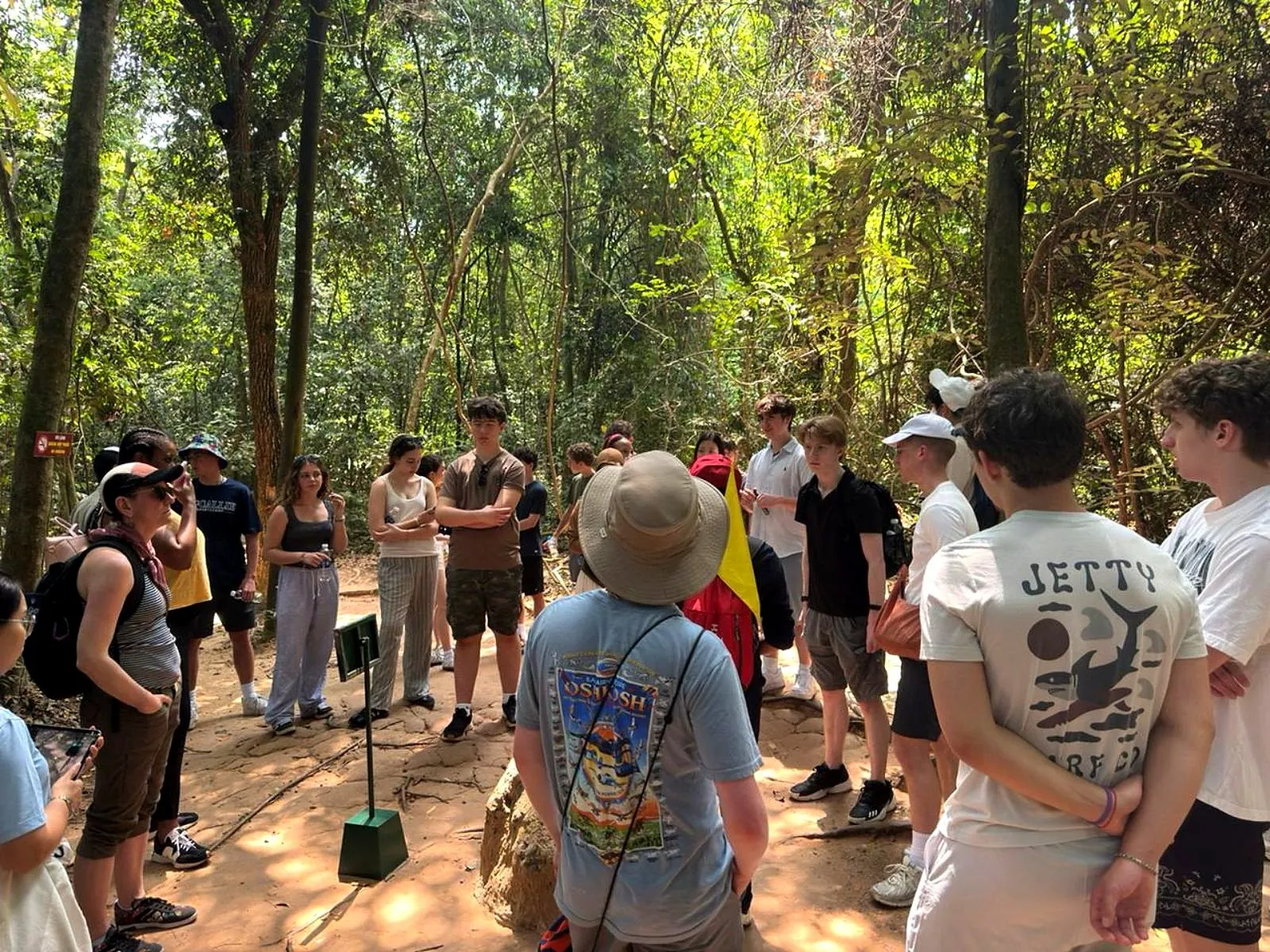
Urban exploration, Cu Chi tunnels, war-related sites, War Remnants Museum, Independence Palace, and departure.
Next step
Request a program outline
Tell us about your group, timeframe, and learning goals. We can shape this Vietnam history and global politics route around your school’s context and priorities.