
These program families help schools, faculty and education partners understand how Vietnam can support a learning purpose. They are not fixed packages. Each one can be adjusted by age level, discipline, duration, route and the amount of field work required.
Themes provide depth after the program format is clear.
Start with the duration, route and student experience. Use these themes—or the curriculum hub—only when a teacher needs a stronger learning direction.
Use a theme as a starting point—not as a claim that every audience needs the same academic structure.
Environment, history and economy
For secondary schools
For faculty-led programs
Choose the question first, then build the route.
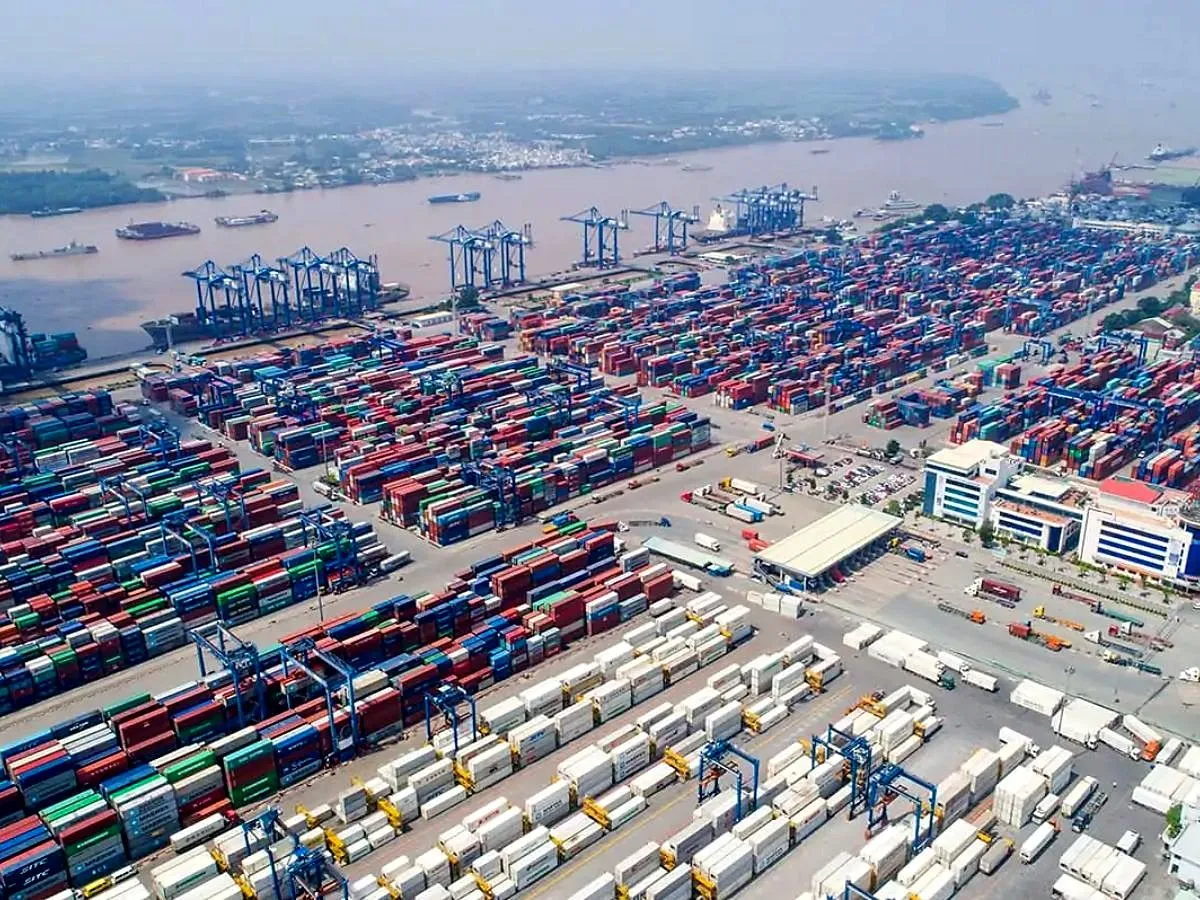
Production, Logistics and Global Supply Chains
Factories, ports, agriculture, food production, enterprise and consumer markets.
- Business and emerging markets
- Food and agricultural supply chains
- Labour, sourcing and development
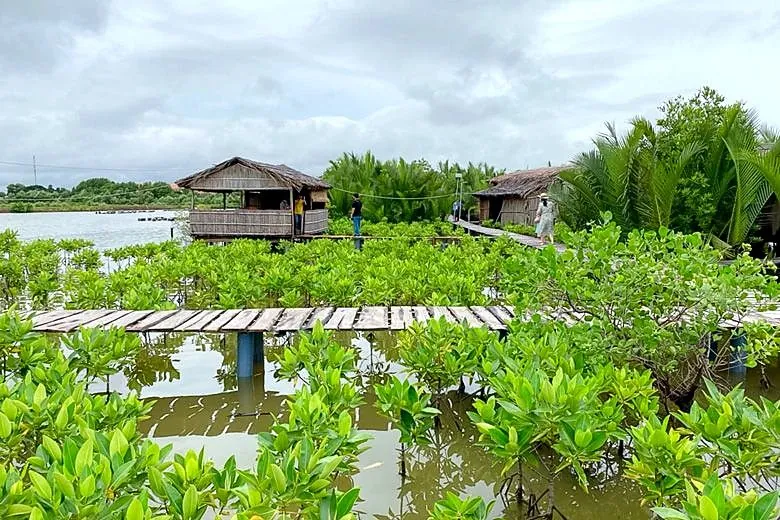
Mekong Climate, Food and Livelihoods
Water, agriculture, infrastructure, livelihoods and adaptation across a changing delta.
- Climate and environmental change
- Food systems and rural livelihoods
- Development choices and trade-offs
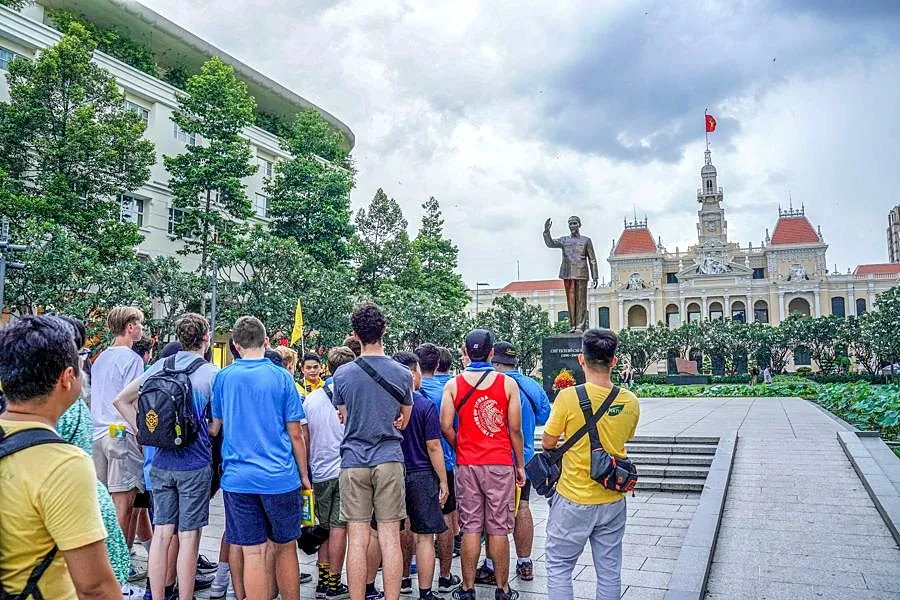
History, Memory and Contemporary Vietnam
Public sites, museums, neighbourhoods and local narratives across several historical periods.
- War memory and public history
- National and local narratives
- Diplomacy and contemporary society
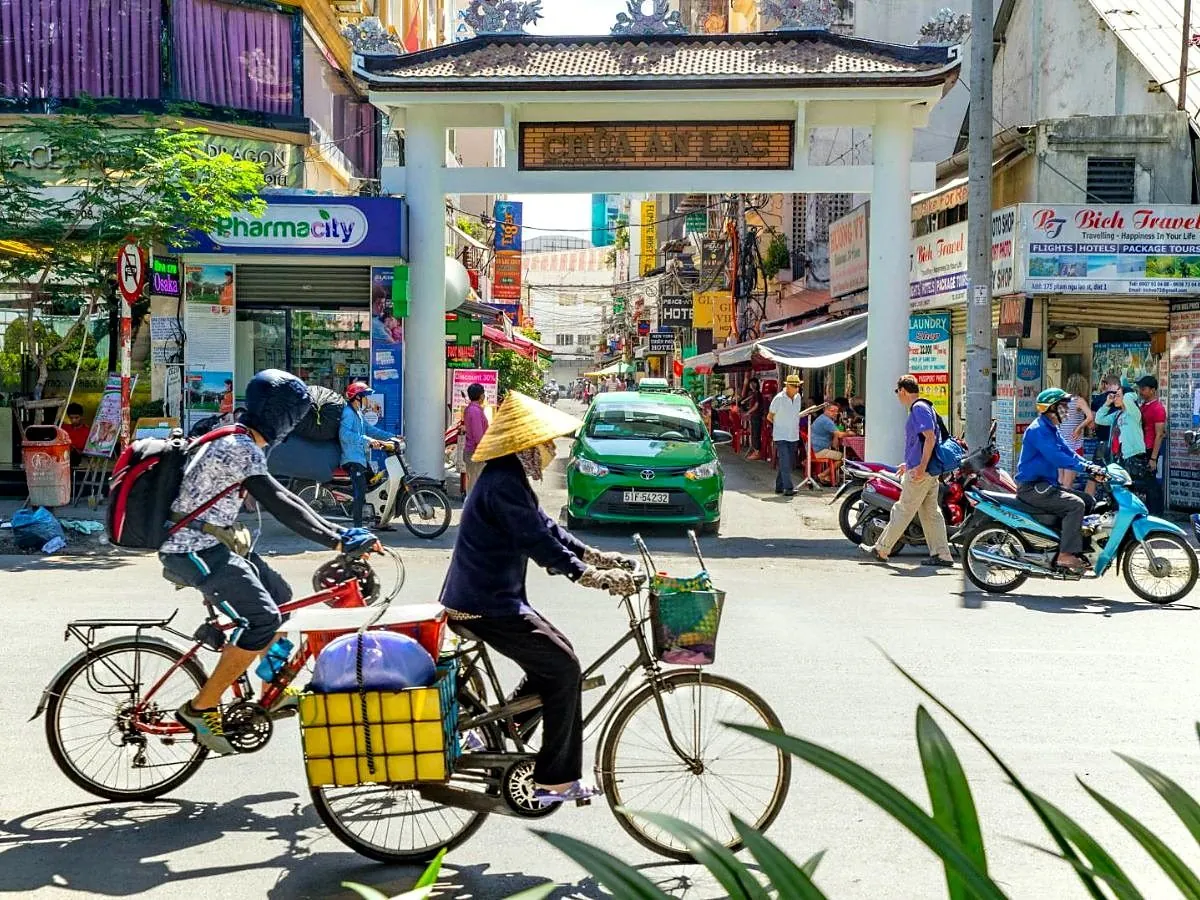
Cities, Regions and Everyday Systems
Movement, markets, public space, religion, food, family life and regional difference.
- Urban systems and informal coordination
- Regional comparison
- Everyday social and economic life
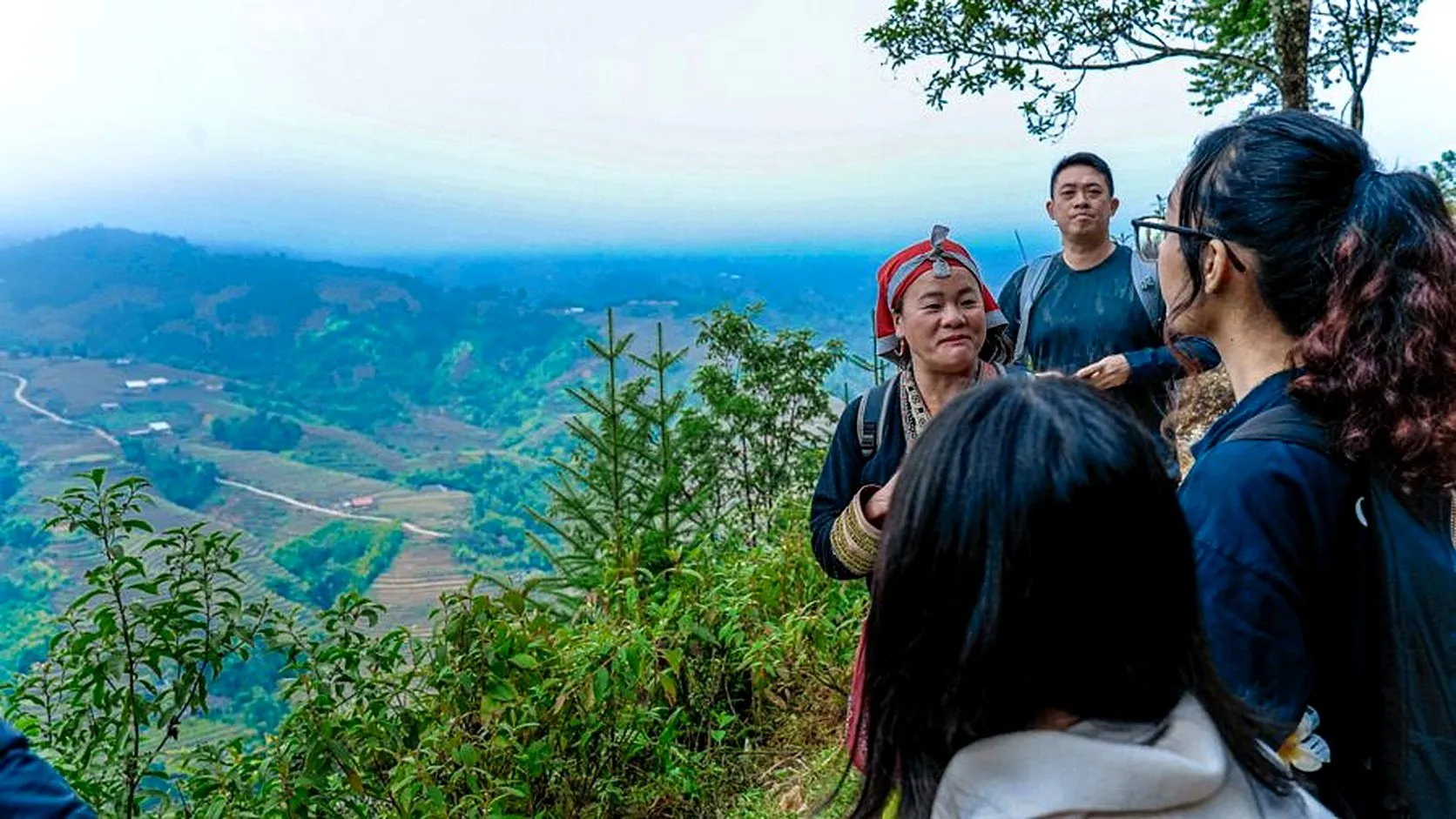
Field Research in Practice
Prepared observation, interviews and student inquiry supported by a shared local operating structure.
- Research preparation
- Local access and movement
- Comparison and synthesis
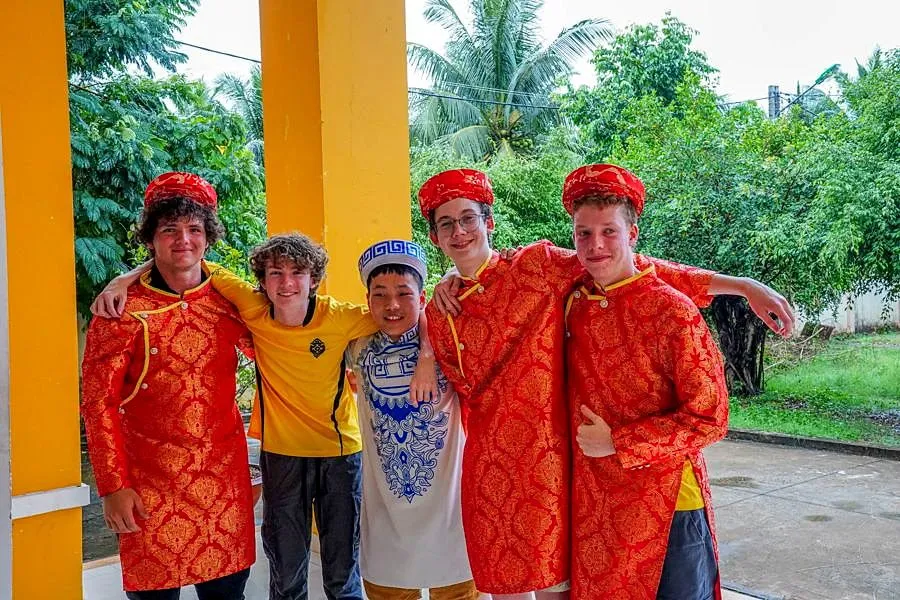
Community Engagement with Continuity
Repeated participation in locally led work, with clear roles, realistic expectations and reflection.
- Partner-defined need
- Age-appropriate participation
- Program continuity across cohorts
The same field setting is adapted for different audiences.
What can be shared
Local relationships, route knowledge, field sites, transport planning, medical context and the underlying subject matter.
What must change
Supervision, pacing, field methods, participant independence, expected outputs and the approval documentation required by the institution.
Additional themes remain available when there is a clear fit.
Religion and lived practice, Catholic heritage, archaeology, Hanoi–Angkor history and selected regional extensions can be developed as specialist programs rather than presented as equal priorities across the whole portfolio.
Need help choosing the right theme?
Share the student level, subject area, time available and any locations already under consideration. Scivi can suggest a realistic starting point.