
What this program is built around
This program is built around inland Southeast Asia as a region shaped by older kingdoms, religious networks, river systems, trade routes, and modern capital formation. Rather than treating Thailand and Laos as isolated destinations, the program places Bangkok, Ayutthaya, Luang Prabang, Vang Vieng, and Vientiane into one comparative frame.
Participants encounter former capitals, royal sites, Buddhist spaces, local handicraft traditions, community projects, ecological sites, and river-based life. That movement across settings helps make regional history visible not as a textbook sequence, but as something still embedded in architecture, ritual, transport, tourism, and daily life.
The result is a program that links empire, religion, environment, and urban development in a way that is comparative, place-based, and accessible to student groups.
What participants actually do
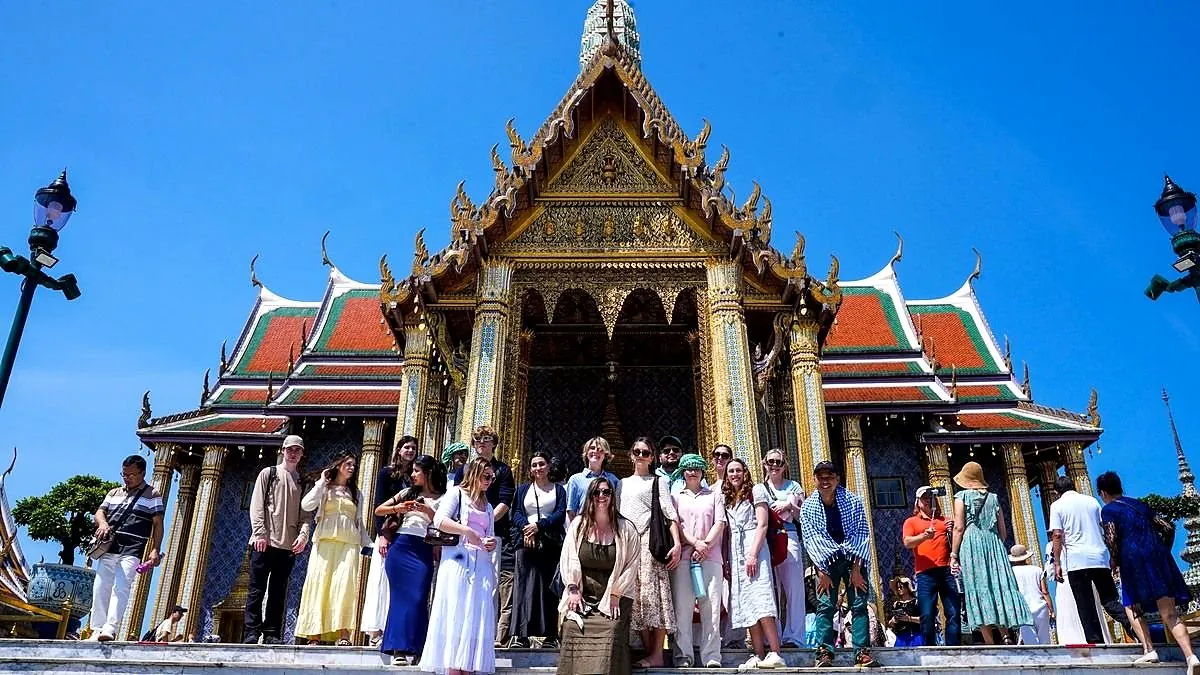
Compare Thailand’s royal and historical centers
- Study Bangkok through the Grand Palace, canals, and river-based urban life.
- Visit Bang Pa-In and Ayutthaya to understand earlier Thai capital formation.
- Use temples, palace architecture, and city form as comparative evidence.
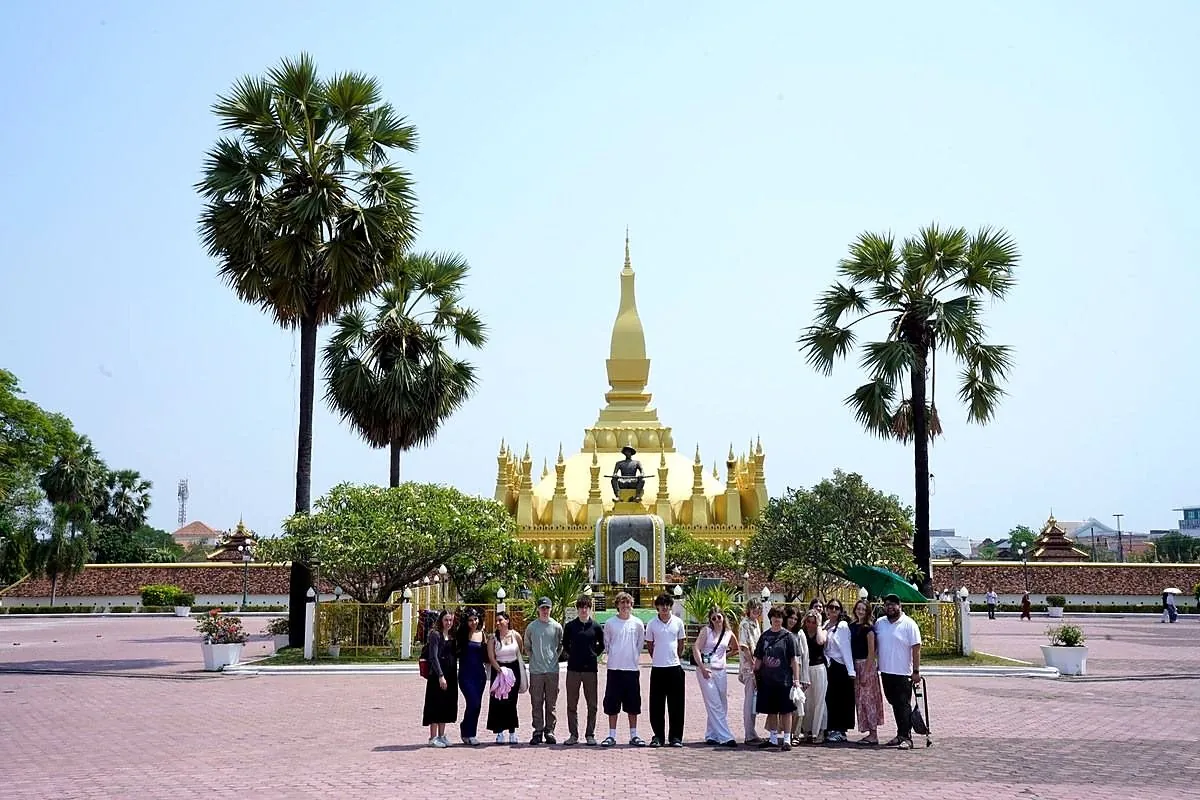
Explore Laos through culture, religion, and landscape
- Experience Luang Prabang through royal history, Buddhist practice, and the Mekong.
- Visit Khouang Si, Pak Ou Caves, river villages, and Wat Xiengthong.
- See how ritual, ecology, tourism, and local life overlap in one setting.
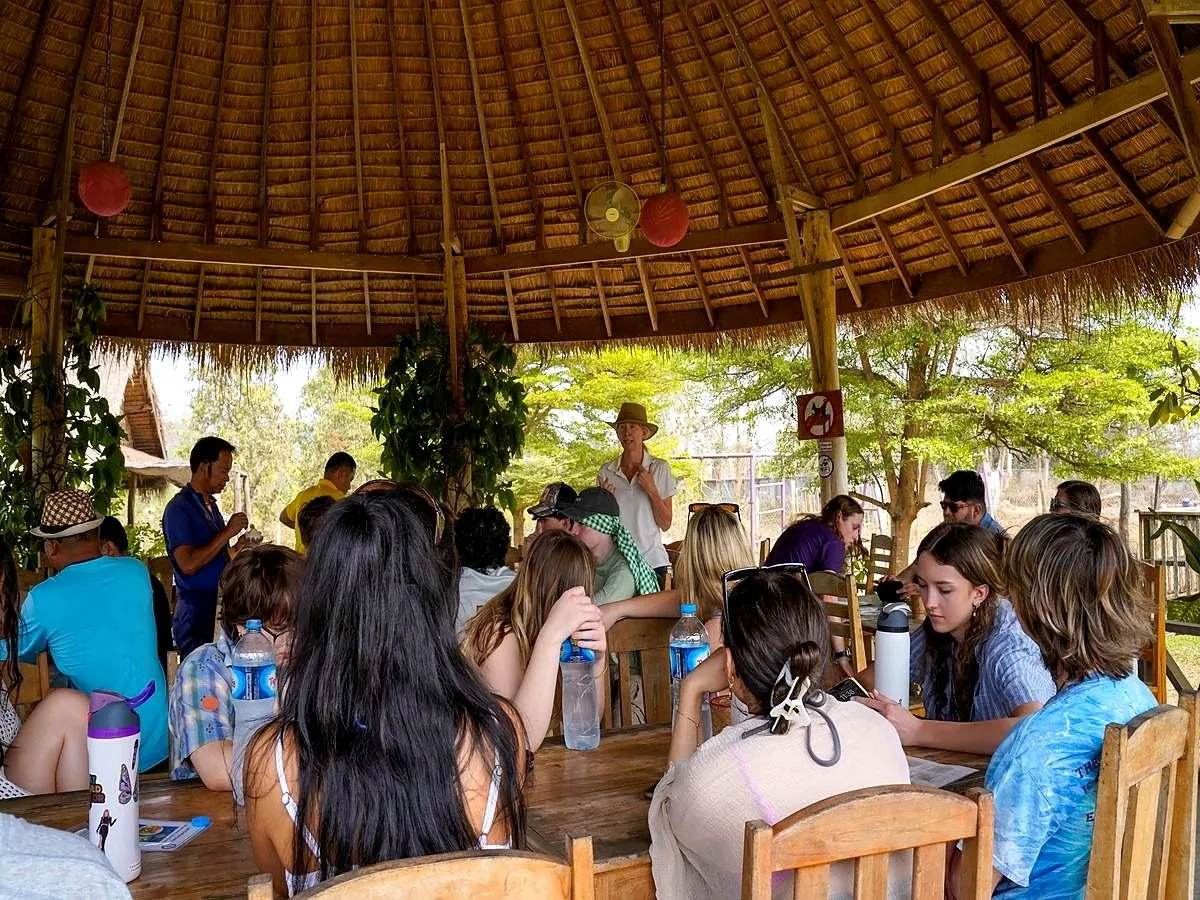
Use the region as a comparative classroom
- Take part in activities such as weaving, saa paper-making, indigo dyeing, and sustainable agriculture.
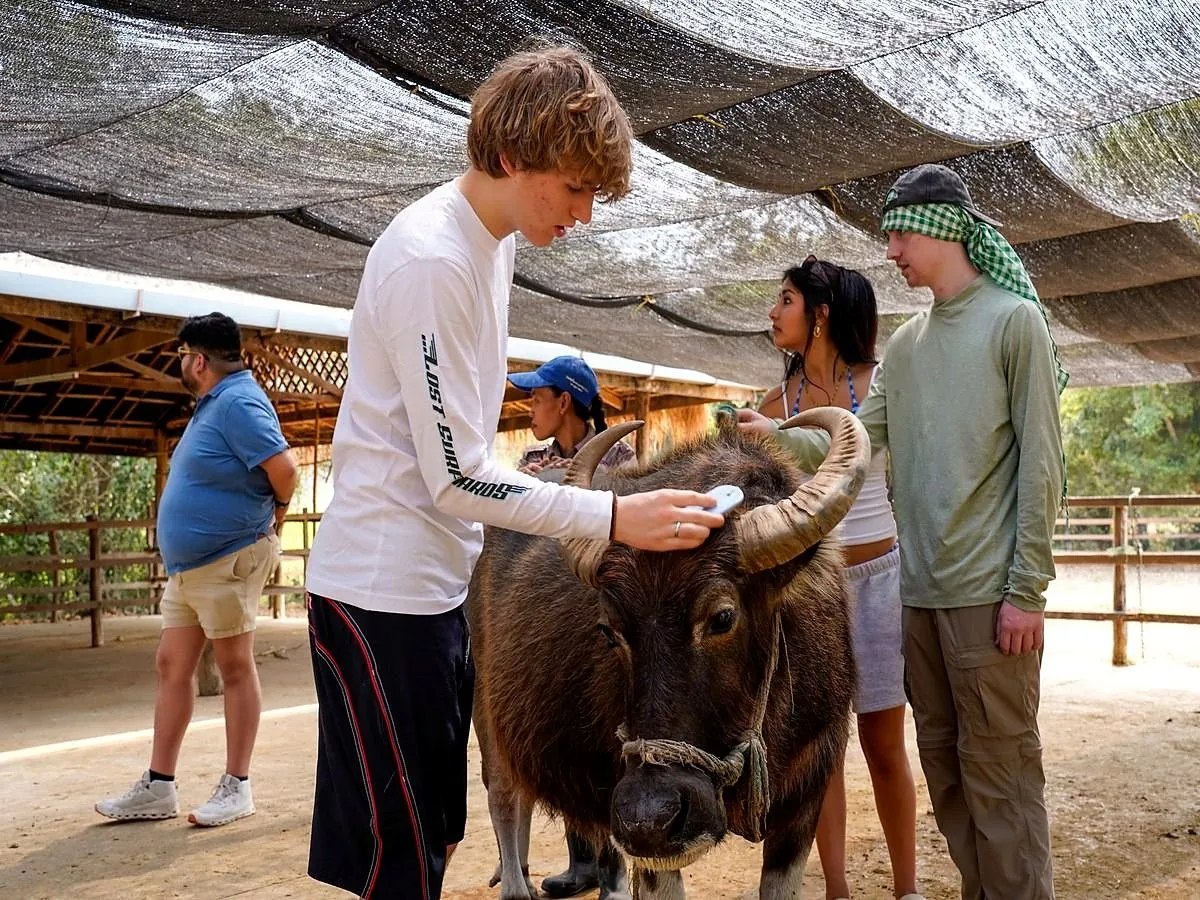
- Visit service and community projects in Laos and environmental learning sites in Thailand.
- Work through how capitals, trade, religion, memory, and development vary across the route.
What is typically included
Multi-country movement
Regional flights, rail in Laos, overland coach travel, river cruise, and city transfers across the route.
Historical and cultural depth
Former capitals, royal sites, museums, temples, handicraft villages, and community-based experiences.
Accommodation and meals
Hotels in Bangkok, Luang Prabang, Vang Vieng, Vientiane, and Hua Hin, with meals integrated through the itinerary.
On-the-ground support
Guide support, local coordination, cultural activities, and structured movement across varied settings.
Program flow
Thailand
Bangkok, canals, royal spaces, Ayutthaya, Kanchanaburi, mangrove learning, Hua Hin, and central Thai trading traditions.
Northern Laos
Luang Prabang, National Museum, Wat Xiengthong, alms ceremony, Pak Ou Caves, craft villages, waterfalls, and Baci ceremony.
Central Laos
Vang Vieng landscapes, Sae Lao Project, Vientiane, That Luang, Patuxay, textile museum, and comparative capital-city exercises.
Next step
Exploring a multi-country Southeast Asia program?
Most schools start with a direction rather than a fixed route. If you're considering Thailand and Laos for a future program, we can help map how this kind of route would work for your group — including timing, transitions, and academic focus.