Vietnam School Group Tours and Field-Based Learning Programs
Vietnam, a country of layered histories, fast-changing cities, rural communities, and diverse cultural landscapes, can support strong educational travel when programs are designed with care. School group tours and field-based learning programs in Vietnam can help students observe heritage, everyday systems, community context, and the responsibilities that come with entering another place as learners.
Exploring Vietnam’s Rich Heritage: Vietnam’s history is a tapestry of ancient civilizations, colonial rule, and a turbulent 20th-century struggle for independence. School group tours offer students the chance to delve into this complex history, from the intricate architecture of ancient temples and pagodas to the remnants of the Vietnam War, such as the Cu Chi Tunnels and the War Remnants Museum in Ho Chi Minh City. These sites can support historical perspective when students are given enough context, time, and framing to move beyond surface impressions.
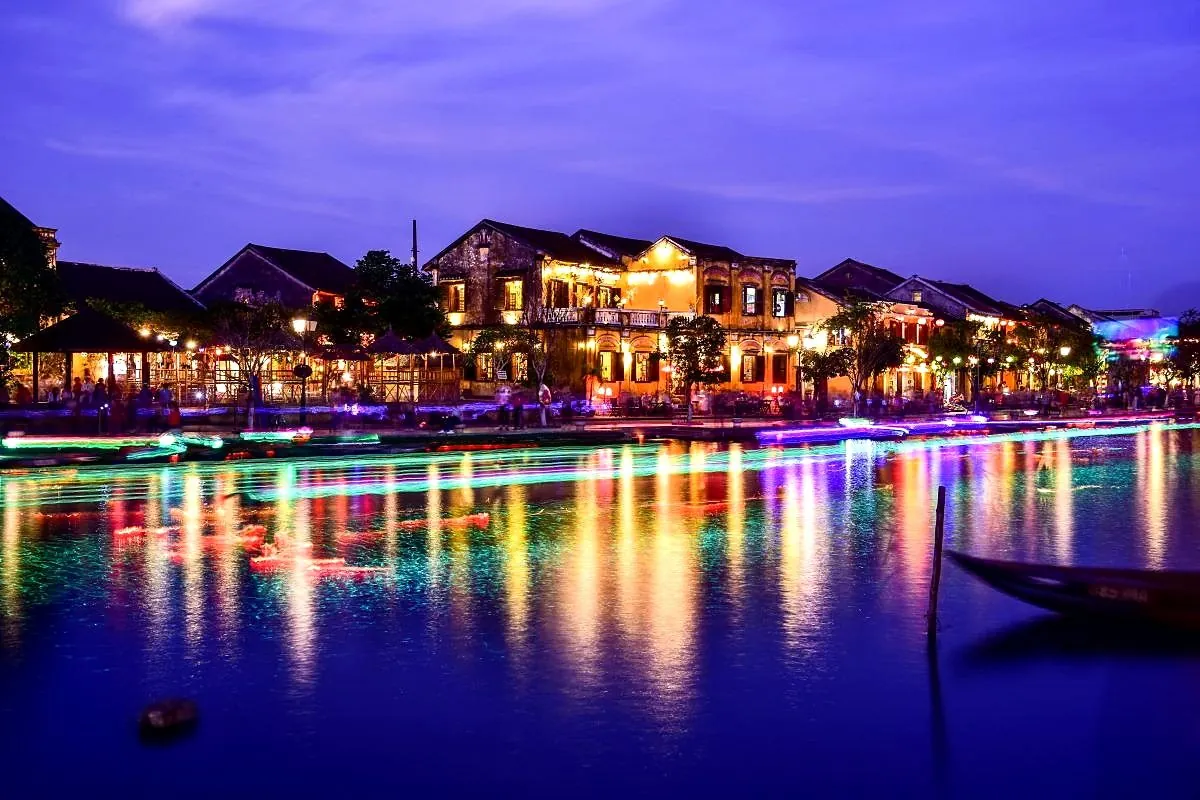
Cultural Immersion: The heart of Vietnam lies in its people and their rich cultural traditions. Students on these tours have the chance to experience the vibrant customs, culinary delights, and artistic expressions of Vietnam. Whether it’s learning to make traditional Vietnamese dishes in a cooking class or engaging with local artisans in Hoi An’s ancient town, cultural immersion provides a deeper understanding of this enchanting nation.
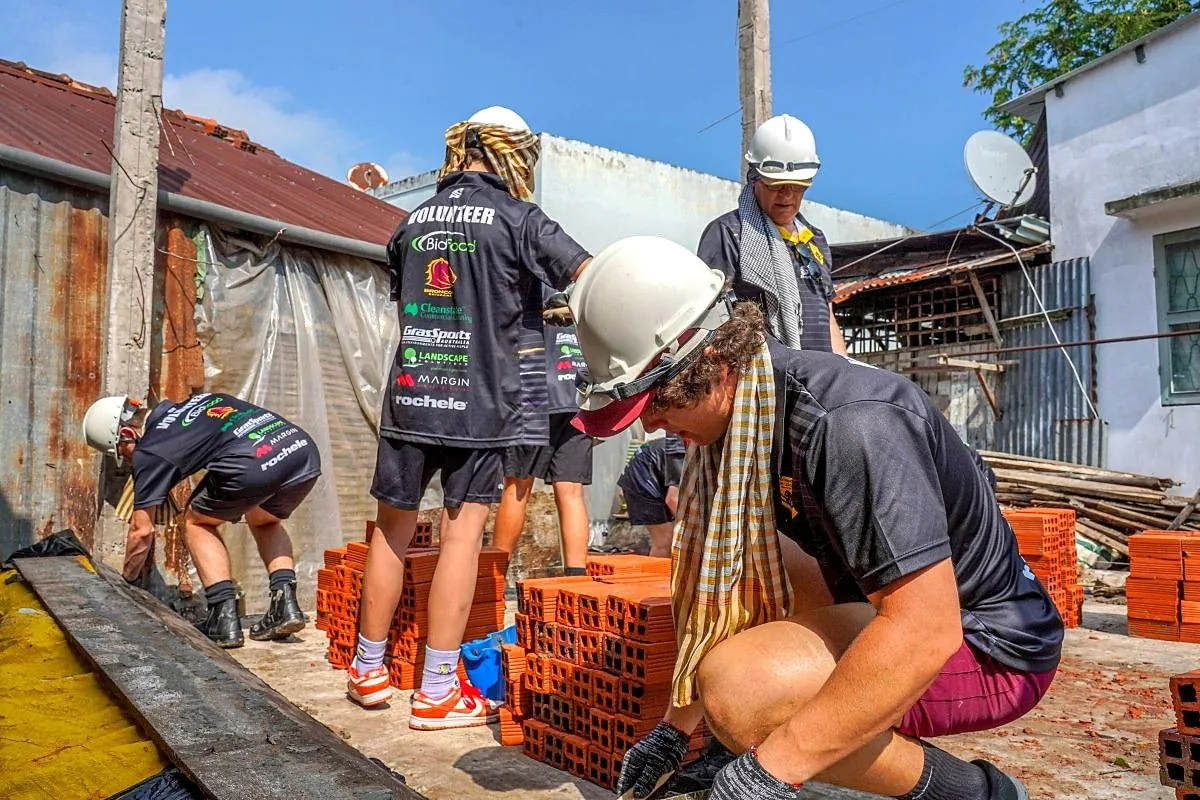
Service Learning and Community-Based Learning: Service learning should be used carefully as a program label. Not every school visit, volunteer session, or short-term activity should be described as service learning. When the structure is appropriate, students may take part in defined local projects, environmental activities, or community-based learning tasks, supported by local partners, preparation, and reflection. The value lies not in claiming large contribution, but in helping students understand responsibility, limits, and context.
Environmental Awareness and Conservation: Vietnam’s diverse ecosystems, including lush jungles, serene wetlands, and pristine coastal areas, provide an ideal backdrop for environmental education and awareness. Students may have the opportunity to engage in activities like wildlife conservation, reforestation efforts, and marine preservation projects. These experiences instill an understanding of environmental issues and the importance of responsible stewardship of our planet.
Language and Cross-Cultural Communication: Vietnam’s unique language, a melodic and tonal one, offers a wonderful chance for language learners to practice and develop their linguistic skills. Beyond language, students engage in cross-cultural communication with local residents, fostering an appreciation for diversity and the art of effective communication across borders.
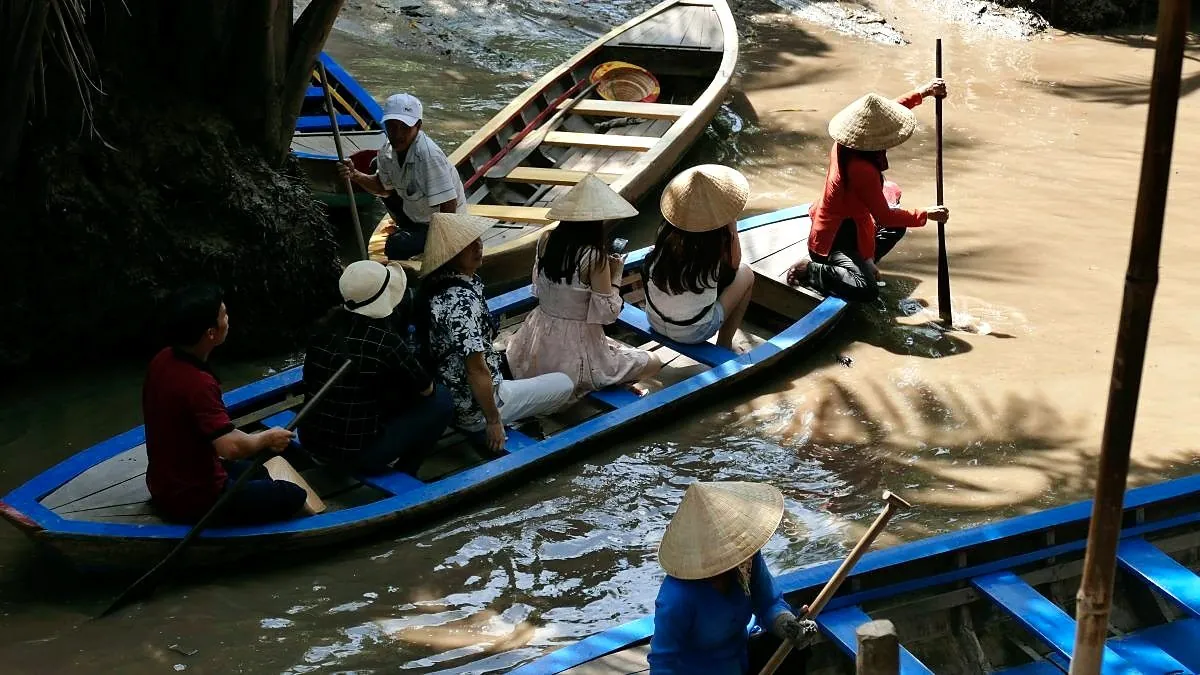
Adventure and Nature Exploration: Vietnam’s geography is a playground for adventure enthusiasts. From trekking in the terraced rice fields of Sapa and exploring the limestone karsts of Halong Bay to cycling through the picturesque Mekong Delta, students have the opportunity to connect with nature and challenge themselves physically. These adventures build self-confidence, resilience, and a deep connection to the natural world.
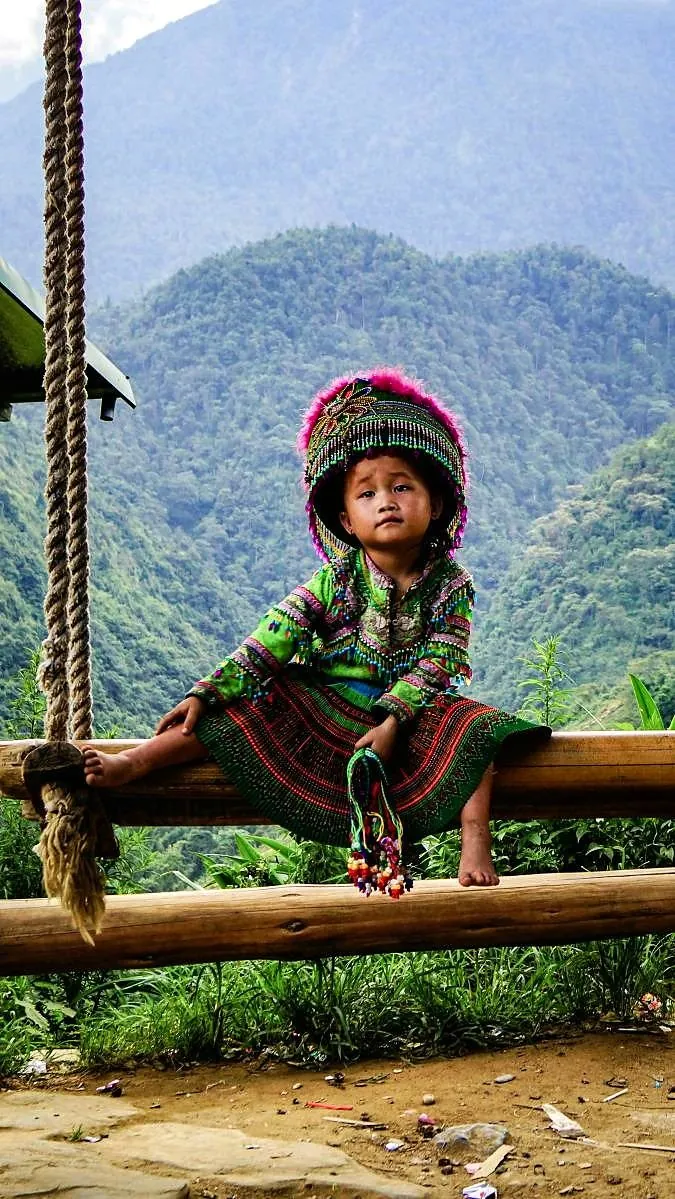
Intercultural Understanding: Vietnam’s diverse ethnic groups, such as the Hmong, Dao, and Montagnard communities, offer students a window into the complexities of cultural diversity. Interacting with these communities, learning about their customs, and witnessing their way of life promotes intercultural understanding, tolerance, and respect.
Student Growth and Responsible Participation: Participating in a Vietnam school group program can broaden student perspective when the experience is framed well. The aim is not to promise life-changing results, but to create conditions where students can observe carefully, ask better questions, and reflect on how they participate in unfamiliar contexts.
Conclusion: Vietnam school group tours can support discovery, understanding, and student growth when they are designed around attention, context, and honest scope. Heritage visits, cultural exchange, community-based learning, and service-learning elements all need to be named carefully. The point is not to turn every encounter into a large claim, but to help students learn from Vietnam in a way that is grounded and responsible.